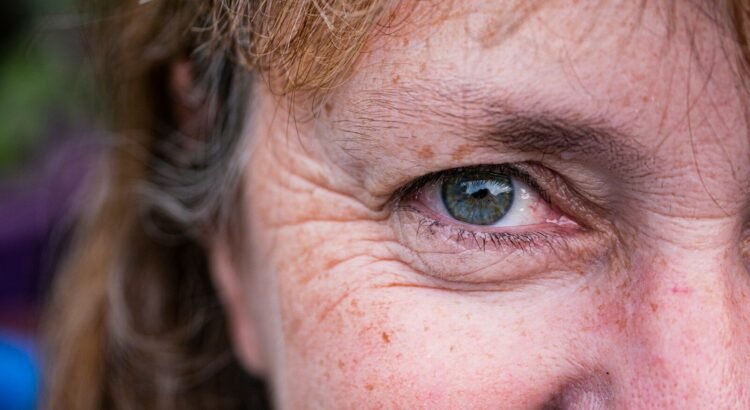
Kırışıklıklar, cildin yavaş yavaş kolajen, elastin, nem ve hücresel hasarı onarma yeteneğinin bir kısmını kaybetmesiyle oluşur. Kolajen cildin yapısal desteğinin büyük bir kısmını sağlarken, elastin cildin esnemesine ve orijinal şekline dönmesine yardımcı olur. Fibroblastlar bu proteinleri üretir, ancak aktiviteleri yaşla birlikte değişir. Kolajen üretimi azalır, kolajen yıkımı artar ve hücre dışı matris daha az organize hale gelir. Bu değişiklikler ince çizgilere, daha derin kırışıklıklara, sıkılığın azalmasına ve cilt dokusunda değişikliklere yol açabilir.
Giriş: NMN ve Cildin Yaşlanma Süreci
Hem doğal yaşlanma hem de çevresel faktörler, cildin gözle görülür şekilde yaşlanmasına katkıda bulunur. İçsel yaşlanma normal biyolojik yaşlanmanın bir parçası olarak gerçekleşirken, dışsal yaşlanma ultraviyole radyasyon, sigara, kirlilik, yetersiz beslenme ve tekrarlanan çevresel stres gibi faktörlerden kaynaklanır. UV ışınlarına maruz kalma özellikle önemlidir çünkü oksidatif stresi artırabilir ve kolajeni parçalayan enzimleri uyarabilir. Bu nedenle, tekrarlanan maruz kalma kırışıklık oluşumunu hızlandırabilir.
NMN Nedir?
Nikotinamid mononükleotid veya NMN, nikotinamid adenin dinükleotid (NAD+) üreten hücresel yolakta yer alan bir bileşiktir. NAD+, enerji metabolizması, DNA onarımı, hücresel sinyalizasyon ve NAD+-bağımlı enzimlerin aktivitesinde önemli roller oynar. Araştırmalar, NAD+ metabolizmasının yaşla birlikte değiştiğini göstermektedir; bu da bilim insanlarını NMN gibi bileşikleri sağlıklı yaşlanmayı desteklemek için potansiyel araçlar olarak araştırmaya yöneltmiştir.
NMN ile cilt yaşlanması arasındaki önerilen ilişki, esas olarak hücrelerdeki NAD+ kullanılabilirliğini artırma potansiyel yeteneğine dayanmaktadır. İnsan deri fibroblastlarını içeren deneysel araştırmalar, hücresel yaşlanma, otofaji, antioksidan yanıtlar, sirtuin ile ilgili yollar ve kolajen üretimi üzerinde etkiler bildirmiştir. Bu bulgular, NMN'nin cilt sağlığı için incelenmesi için bilimsel bir neden sağlamaktadır, ancak ağızdan alınan NMN takviyelerinin insanlarda kırışıklıkları azalttığını kanıtlamamaktadır.
Kanıtlar Ne Gösteriyor?
Mevcut kanıtlar, NMN'nin yaşlanmayla ilişkili biyolojik süreçleri etkileyebileceğini öne sürmektedir, ancak kırışıklık azaltımına dair doğrudan kanıtlar sınırlıdır. İnsanlar üzerinde yapılan çalışmalar, NMN'nin NAD+ düzeyleri, metabolizma, fiziksel fonksiyon ve güvenlik ile ilişkisini araştırmıştır. Cilde özgü klinik çalışmalar daha az yaygındır ve kırışıklık derinliği, cilt elastikiyeti veya kolajen yoğunluğunu ölçen büyük çaplı çalışmalara hala ihtiyaç duyulmaktadır.
Bu nedenle NMN, kanıtlanmış bir kırışıklık tedavisi olarak değil, gelişmekte olan sağlıklı yaşlanmayı destekleyici bir takviye olarak değerlendirilmelidir. Biyolojik etkileri ilgi çekici olsa da, laboratuvar bulguları otomatik olarak gözle görülür kozmetik faydalara dönüşmez. Bir takviye, yüz görünümünde ölçülebilir bir değişiklik yaratmadan hücresel yolları etkileyebilir.
Yaşlanma Kırışıklıklara ve Cilt Esnekliğinin Kaybına Nasıl Yol Açar?
Kolajen ve Elastin Değişimleri
Kolajen ve elastin maddelerinin kademeli olarak kaybı ve bozulması, kırışıklıkların ve cilt sıkılığının azalmasının başlıca nedenleridir. Fibroblastlar sürekli olarak kolajen üretir ve yeniden şekillendirir, ancak bu süreç yaşla birlikte daha az verimli hale gelir. Yaşlı cilt genellikle daha az yeni kolajen üretir ve daha fazla kolajen yıkımı yaşayabilir. Yapısal destek azaldıkça, cilt incelir ve tekrarlanan kıvrımlara karşı direnci azalır.
Elastin ayrıca yaş ve tekrarlanan çevresel etkilere bağlı olarak da değişir. Sağlıklı elastin lifleri cildin esnemesine ve kendini onarmasına olanak tanır, ancak yaşlanma ve UV ışınlarına maruz kalma yapılarına zarar verebilir. Kolajen ve elastin miktarındaki bu azalma, sarkmaya, ince çizgilere ve daha derin kırışıklıklara yol açar.
Hücresel Enerji ve NAD+
Cilt hücreleri, doku onarımı, protein üretimi, antioksidan savunma ve normal hücre yenilenmesini sürdürmek için hücresel enerjiye ihtiyaç duyar. Mitokondriler bu enerjinin büyük bir kısmını üretirken, NAD+ ise hücrelerin besinleri verimli bir şekilde kullanmasını sağlayan metabolik reaksiyonlara katılır. Mitokondri fonksiyonundaki ve NAD+ metabolizmasındaki değişiklikler, yaşlanma sürecinde hücresel performansın azalmasına katkıda bulunabilir.
NAD+, DNA onarımı ve hücresel stres tepkilerinde rol alan enzimleri de destekler. Bunlar arasında sirtuinler ve poli(ADP-riboz) polimerazlar yer almaktadır. Sirtuinler hücresel yaşlanmayla bağlantılı çeşitli süreçleri düzenlerken, DNA onarım enzimleri hücrelerin genetik hasara yanıt vermesine yardımcı olur. Bu proteinlerin aktivitesi için NAD+ gerekli olduğundan, NAD+ mevcudiyetindeki azalma yaşlanma biyolojisinde önemli bir araştırma konusu haline gelmiştir.
Oksidatif Stres ve İltihaplanma
Oksidatif stres, sağlıklı cildin korunmasına yardımcı olan proteinlere, lipitlere, DNA'ya ve diğer yapılara zarar verebilir. Reaktif oksijen türleri metabolizma sırasında doğal olarak üretilir, ancak UV radyasyonu, kirlilik ve sigara içmek bunların üretimini artırabilir. Sürekli oksidatif stres, normal cilt onarımını engelleyebilir ve kolajen yıkımına katkıda bulunabilir.
İltihaplanma sinyalleri, cilt yapısındaki yaşa bağlı değişikliklere de katkıda bulunabilir. Yaşlanan hücreler, komşu hücreleri etkileyen ve daha elverişsiz bir doku ortamını teşvik eden sinyal molekülleri salgılayabilir. NMN üzerine yapılan araştırmalar, NAD+ kullanılabilirliğinin artmasının oksidatif stresi, inflamasyonu, otofajiyi ve hücresel yaşlanmayı etkileyip etkilemediğini incelemiştir.
İçsel Yaşlanma ve Fotoyaşlanma
İçsel yaşlanma ve fotoyaşlanma, birbiriyle ilişkili ancak birbirinden farklı süreçlerdir. İçsel yaşlanma zamanla doğal olarak gerçekleşirken, fotoyaşlanma esas olarak kümülatif UV ışınlarına maruz kalmanın sonucudur. Bu nedenle, çevresel maruziyet normal yaşlanma sürecini hızlandırdığında kişi erken kırışıklıklar yaşayabilir.
Cilt yaşlanmasına katkıda bulunan önemli faktörler şunlardır:
- UV radyasyonu.
- Sigara içmek.
- Oksidatif stres.
- Kronik iltihaplanma.
- Kolajen sentezinde azalma.
- Kolajen yıkımının artması.
- Cilt neminin azalması.
- Fibroblast aktivitesindeki değişiklikler.
- Hücresel enerji verimliliğinde düşüş.
Kırışıklıklar, yapısal proteinler, oksidatif stres, iltihaplanma ve azalan hücresel bakım gibi birbiriyle etkileşim halinde olan çeşitli süreçlerin sonucudur. NAD+, enerji metabolizmasını ve hücresel onarım ve stres tepkilerinde rol alan enzimleri desteklediği için önemlidir.
NMN'nin Cilt Sağlığını ve Kırışıklık Azaltmayı Nasıl Destekleyebileceği
NMN ve NAD+ Üretimi
Araştırmacıların NMN'yi incelemesinin başlıca biyolojik nedeni, hücre içindeki NAD+ kullanılabilirliğini artırma potansiyelidir. NAD+, metabolik reaksiyonlarda koenzim görevi görür ve ayrıca hücresel bakımı düzenleyen çeşitli proteinleri destekler. İnsanlar üzerinde yapılan çalışmalar, oral NMN takviyesinden sonra NAD+ seviyelerinde artış olduğunu bildirmiştir; ancak kandaki NAD+ seviyelerindeki değişiklikler, yüz derisindeki değişiklikleri mutlaka göstermez.
Daha yüksek NAD+ mevcudiyeti, yaşlanan cilt hücrelerinin normal enerji metabolizmasını korumasına ve hücresel strese yanıt vermesine potansiyel olarak yardımcı olabilir. Cilt, yenilenme, bariyer bakımı, protein üretimi ve onarım için sürekli enerjiye ihtiyaç duyar. Bu nedenle NAD+ metabolizmasının desteklenmesi hücresel fonksiyon üzerinde etkilere sahip olabilir, ancak bu etkilerin boyutu ve klinik önemi belirsizliğini korumaktadır.
Sirtuinler ve Hücre Bakımı
Sirtuinler, mitokondriyal fonksiyon, gen ekspresyonu ve hücresel stres tepkileri gibi süreçleri düzenleyen NAD+-bağımlı proteinlerdir. Bu proteinler, aktivitelerinin NAD+ mevcudiyetiyle bağlantılı olması nedeniyle yaşlanma araştırmalarında dikkat çekmiştir. NMN ile tedavi edilen deri fibroblastlarını içeren deneysel çalışmalar, sirtuin ile ilgili yollarda değişiklikler olduğunu bildirmiştir.
Sağlıklı sirtuin aktivitesi, hücrelerin metabolik ve çevresel strese yanıt vermesine yardımcı olabilir. Fibroblastların, oksidatif hasar ve diğer stres türleriyle başa çıkarken hücre dışı matrisi korumaları gerekir. Bu nedenle araştırmacılar, NMN'nin neden olduğu NAD+ metabolizmasındaki değişikliklerin yaşlanma sürecinde fibroblast fonksiyonunu destekleyip destekleyemeyeceğini araştırıyorlar.
Otofaji ve Hücresel Kalite Kontrolü
NMN, hücrelerin hasarlı bileşenleri uzaklaştırmasına ve geri dönüştürmesine olanak tanıyan bir süreç olan otofajiyi etkileyebilir. Deri fibroblastlarında yapılan laboratuvar çalışmaları, NMN tedavisi sonrasında otofaji belirteçlerinde artış olduğunu bildirmiştir. Araştırmacılar ayrıca hücresel yaşlanma ve oksidatif stresle ilişkili belirteçlerde de değişiklikler gözlemlemiştir.
Teorik olarak, daha iyi hücresel kalite kontrolü, daha sağlıklı yaşlanan cildi destekleyebilir. Ancak, otofaji belirtecinde meydana gelen bir değişiklik, kişinin daha az kırışıklık geliştireceği anlamına gelmez. Araştırmacılar, bu hücresel etkileri cilt görünümündeki ölçülebilir değişikliklerle ilişkilendiren klinik çalışmalara hala ihtiyaç duyuyorlar.
Oksidatif Stres ve İltihaplanma
NMN ayrıca, cilt yaşlanmasıyla ilgili olan oksidatif strese karşı hücresel yanıtları da etkileyebilir. Laboratuvar araştırmaları, NMN maruziyetinden sonra antioksidanla ilgili yollarda değişiklikler olduğunu bildirmiştir. Oksidatif stres kolajene ve diğer cilt yapılarına zarar verebileceğinden, bu bulgular NMN'nin cilt sağlığını desteklemesinin olası bir başka açıklamasını sunmaktadır.
Kırışıklıklara yönelik olası herhangi bir fayda, mevcut kırışıklıkları doğrudan gidermekten ziyade hücre bakımını desteklemekten kaynaklanacaktır. NMN, dermal dolgu maddesi gibi davranmaz ve fiziksel olarak kırışıklıkları dolduramaz. Gelecekteki klinik araştırmalar faydalarını doğrularsa, NMN'nin zaman içinde cilt yapısını korumaya yardımcı olması daha olasıdır.
Mevcut Kanıtlar
Mevcut kanıtlar, NMN ve cilt yaşlanması üzerine daha fazla araştırma yapılmasını desteklemekle birlikte, klinik olarak kanıtlanmış bir kırışıklık azaltma tedavisi olarak kabul edilmesini sağlamamaktadır. İnsanlar üzerinde yapılan araştırmalar, NMN'nin NAD+ metabolizmasını etkileyebileceğini gösterirken, laboratuvar araştırmaları fibroblastlar ve kolajenle ilgili süreçlere dair öncü kanıtlar sunmaktadır.
NMN, NAD+, hücresel enerji, sirtuinler, otofaji ve oksidatif stres tepkileri üzerindeki etkileri yoluyla cilt sağlığını destekleyebilir. Bu mekanizmalar bilimsel açıdan önemlidir, ancak gözle görülür kırışıklık azalması vaat edecek kadar yeterli kanıt henüz sunmamaktadırlar.
NMN, Kolajen Üretimi ve Cilt Esnekliği
Kolajen Neden Önemli?
Kolajen, cildin dayanıklılığı ve sıkılığından sorumlu başlıca yapısal proteinlerden biridir. Tip I kolajen, dermal kolajen ağının büyük bir bölümünü oluşturur. Fibroblastlar kolajen üretir, ancak aktiviteleri yaşla birlikte değişir. Daha düşük üretim ve artan yıkım, dermal desteği azaltabilir ve kırışıklıklara katkıda bulunabilir.
Bu nedenle fibroblast fonksiyonunu korumak, sağlıklı cilt yaşlanması için önemli bir hedeftir. Fibroblastlar oksidatif strese, inflamatuar sinyallere, metabolik koşullara ve hücre dışı matristeki değişikliklere yanıt verir. Bu faktörler, kolajen üretimini ve organizasyonunu ne kadar etkili bir şekilde gerçekleştirdiklerini etkileyebilir.
NMN ve Fibroblastlar
Laboratuvar araştırmaları, NMN'nin deri fibroblastlarında kolajen üretimini etkileyebileceğine dair öncü kanıtlar sunmaktadır. Deneysel çalışmalar, NMN maruziyetinden sonra tip I kollajen üretiminde artışın yanı sıra hücresel yaşlanma, otofaji ve oksidatif stresle ilişkili belirteçlerde değişiklikler olduğunu bildirmiştir.
Bu bulgular umut verici ancak oral NMN'nin kırışıklıkları azalttığının kanıtı olarak değerlendirilemez. Laboratuvar deneylerinde, ağız yoluyla takviye yoluyla elde edilen maruziyetten farklı olabilecek kontrollü koşullar ve belirli konsantrasyonlar kullanılır. İnsan derisi ayrıca birden fazla etkileşimli hücre tipi içerir ve laboratuvar ortamında tam olarak yeniden üretilemeyen çevresel faktörlere maruz kalır.
NMN ve Cilt Esnekliği
Cilt elastikiyeti kolajen, elastin, nemlendirme, hücre dışı matris organizasyonu ve dermisin genel durumuna bağlıdır. Sadece kolajen üretimini artırmak, genç bir cildi geri kazandırmak için yeterli olmayabilir; çünkü kolajenin düzgün bir şekilde organize edilmesi ve korunması gerekir. Kolajen sentezi iyileşse bile, elastin hasarı, dehidrasyon, UV ışınlarına maruz kalma ve diğer yaşa bağlı değişiklikler devam edebilir.
NAD+, hücre dışı matrisin korunmasıyla ilgili çeşitli hücresel süreçleri etkileyebilir. NAD+-bağımlı yollar mitokondriyal fonksiyonu, stres tepkilerini, DNA onarımını ve hücresel düzenlemeyi etkiler. Bu etkiler, NMN ile deri yapısı arasında çeşitli olası bağlantılar sağlar.
UV Işınlarına Maruz Kalma ve Kolajen Yıkımı
UV ışınlarına maruz kalma, kolajen kaybının ve erken kırışıklıkların önlenebilir en önemli nedenlerinden biri olmaya devam etmektedir. Ultraviyole radyasyon oksidatif stresi artırır ve kolajeni parçalayan matriks metalloproteinazları aktive edebilir. Tekrarlanan maruz kalma, normal kolajen üretimini de engelleyebilir ve düzensiz pigmentasyona ve pürüzlü cilt dokusuna katkıda bulunabilir.
NMN, ultraviyole radyasyonuna karşı korumayı yerine koyamaz. Güneş kremi, koruyucu giysiler, gölge ve makul güneş ışığına maruz kalma, NMN kullanan kişiler için bile önemini korumaktadır. Hücre sağlığını desteklemek, aşırı UV ışınlarına maruz kalmanın neden olduğu hasarı önlemez.
İnsan Kanıtı
Şu anda, ağız yoluyla alınan NMN'nin insanlarda yüz kırışıklıklarında veya cilt elastikiyetinde anlamlı bir iyileşme sağladığı sonucuna varmak için yeterli kanıt bulunmamaktadır. İnsanlarda yapılan NMN araştırmalarının çoğu, doğrulanmış dermatolojik sonuçlardan ziyade NAD+ metabolizması, metabolik sağlık, fiziksel performans veya güvenlik üzerine odaklanmıştır.
Gelecekteki klinik araştırmalarda cilt üzerindeki sonuçların doğrudan ölçülmesi gerekmektedir. Faydalı ölçümler şunları içerebilir:
- Kırışıklık derinliği.
- Cilt elastikiyeti.
- Cilt nemlendirme.
- Kolajen yoğunluğu.
- Deri kalınlığı.
- Standartlaştırılmış yüz fotoğrafları.
- Hastaların bildirdiği cilt kalitesi.
NMN'nin fibroblast aktivitesi ve kolajen üretimiyle ilgili ilginç laboratuvar bulguları mevcut olsa da, insanlarda kırışıklık azaltımına dair doğrudan kanıtlar yetersiz kalmaktadır. Araştırma, kozmetik sonuçlar hakkında kesin iddialarda bulunmaktan ziyade, daha kapsamlı araştırmaları desteklemektedir.
NMN'yi Diğer Yaşlanma Karşıtı Cilt Bakım Stratejileriyle Nasıl Birleştirebilirsiniz?
NMN'yi bir tamamlayıcı olarak kullanın, bir yerine geçecek bir ürün olarak değil.
NMN, tek başına bir kırışıklık tedavisi olarak değil, daha geniş kapsamlı bir sağlıklı yaşlanma stratejisinin olası bir bileşeni olarak değerlendirilmelidir. Cilt yaşlanması birçok biyolojik ve çevresel faktörden kaynaklanır, bu nedenle yalnızca NAD+ metabolizmasına odaklanmak kırışıklıkların her nedenini ele alamaz.
Cilt koruma önlemleri, yaşlanma karşıtı bir bakım rutininin temelini oluşturmalıdır. UV ışınları kolajen yıkımını hızlandırdığı ve foto yaşlanmaya önemli ölçüde katkıda bulunduğu için günlük güneş koruması özellikle önemlidir. Güneş kremi, koruyucu giysiler, gölge ve yoğun güneş ışığına maruz kalmayı sınırlamak, biriken hasarı azaltmaya yardımcı olabilir.
Beslenme ve Yaşam Tarzı
Dengeli bir beslenme, kolajen sentezi, hücresel metabolizma, doku onarımı ve antioksidan savunma için gerekli besinleri sağlar. Yeterli miktarda protein, yapısal proteinler için gerekli amino asitleri sağlarken, meyveler, sebzeler, tam tahıllar, kuruyemişler ve tohumlar genel sağlığı destekleyen vitaminler, mineraller ve diğer besin maddelerini sağlar.
Sağlıklı yaşam alışkanlıkları, gözle görülür yaşlanmayı hızlandıran faktörleri de azaltabilir. Önemli alışkanlıklar şunlardır:
- Sigara içmekten kaçınmak.
- Aşırı alkol tüketimini sınırlamak.
- Düzenli egzersiz yapmak.
- Yeterli uyku almak.
- Yeterli miktarda protein tüketmek.
- Sağlıklı vücut ağırlığını korumak.
- Cildi aşırı UV ışınlarına maruz kalmaktan korumak.
- Kronik sağlık sorunlarını uygun şekilde yönetmek.
Kanıta Dayalı Cilt Bakımı
Cilt bakım ürünleri, ağızdan alınan takviyelere kıyasla kırışıklıkların çeşitli nedenlerini daha doğrudan hedefleyebilir. Retinoidlerin güneşten yaşlanan cildi iyileştirme ve kolajen yenilenmesini destekleme konusunda önemli kanıtları vardır. C vitamini antioksidan aktivite sağlar ve kolajen sentezini desteklerken, nemlendiriciler nemlendirmeyi artırır ve ince çizgilerin geçici olarak daha az görünür olmasını sağlayabilir.
NMN ve topikal cilt bakımı, farklı biyolojik süreçleri hedefledikleri için teorik olarak birbirlerini tamamlayabilirler. NMN araştırmaları esas olarak sistemik NAD+ metabolizması ve hücresel fonksiyon üzerine odaklanırken, topikal ürünler doğrudan cilt dokusuna etki eder. Bununla birlikte, her bir tedavi için kanıtlar bağımsız olarak değerlendirilmelidir.
NMN Takviyesi Seçimi
NMN'yi tercih eden kişilerin ürün kalitesine dikkat etmeleri ve daha yüksek dozların daha iyi sonuçlar doğuracağı varsayımından kaçınmaları gerekir. Takviye ürünlerinde NMN içeriği açıkça belirtilmeli ve mümkünse üretim standartları ve kalite testleri hakkında bilgi verilmelidir. İnsanlar üzerinde yapılan çalışmalarda çeşitli dozlar incelenmiş olsa da, kırışıklık azaltma için en uygun doz henüz belirlenmemiştir.
Sağlık sorunları olan veya takviyelerle etkileşim konusunda endişeleri bulunan herkes, NMN kullanımını bir sağlık uzmanıyla görüşmelidir. Kısa vadeli insan çalışmaları genel olarak olumlu tolerans raporları sunsa da, uzun vadeli güvenlik bilgileri, yerleşik diyet ve dermatolojik yaklaşımlar için mevcut olan kanıtlara kıyasla daha sınırlıdır.
Gerçekçi Beklentiler Belirlemek
NMN'nin kırışıklıklarda hızlı değişiklikler yaratması beklenmemelidir çünkü önerilen etkileri, cilt yapısında ani değişikliklerden ziyade hücresel metabolizmayı içerir. Gelecekte yapılacak araştırmalar faydaları doğrulasa bile, herhangi bir etki muhtemelen zaman içinde düzenli kullanım gerektirecektir.
Belirgin kırışıklıkları olan kişiler, tamamen takviyelere güvenmek yerine, bilimsel kanıtlara dayalı dermatolojik tedavileri göz önünde bulundurmalıdır. Dermatolog, kırışıklıkların şiddeti, cilt tipi, pigmentasyon, güneş hasarı ve diğer bireysel faktörlere bağlı olarak uygun seçenekleri önerebilir.
Kırışıklıkları en aza indirmenin en etkili yolu, UV koruması, sağlıklı yaşam alışkanlıkları, iyi beslenme ve bilimsel kanıtlara dayalı cilt bakımını bir araya getirmektir. NMN bu yaklaşıma faydalı bir katkı sağlayabilir, ancak mevcut kanıtlar onu yerleşik yaşlanma karşıtı önlemlerin yerine kullanmayı desteklememektedir.
Sonuç: NMN Kırışıklıkları Azaltmaya Yardımcı Olabilir mi?
Bildiklerimiz
NMN'nin, NAD+ üretimini destekleyebilmesi ve bakım ve onarımla ilgili hücresel süreçleri etkileyebilmesi nedeniyle, sağlıklı cilt yaşlanmasıyla güvenilir bir biyolojik bağlantısı vardır. NAD+, enerji metabolizmasını ve DNA onarımı, mitokondriyal düzenleme, stres tepkileri ve hücresel sinyalleşmede rol oynayan çeşitli enzimleri destekler. Bu işlevler, hücreler yaşa bağlı değişiklikler yaşadıkça özellikle önem kazanır.
Belirsiz Kalan Şeyler
En önemli yanıtlanmamış soru, bu hücresel etkilerin, NMN'yi ağız yoluyla alan kişilerde gözle görülür kırışıklık azalmasına dönüşüp dönüşmeyeceğidir. İnsanlar üzerinde yapılan çalışmalar NAD+ metabolizması üzerindeki etkilerini göstermiş ve kısa vadeli güvenlik bilgileri sağlamıştır, ancak NMN'nin yüz kırışıklıkları için kanıtlanmış bir tedavi yöntemi olduğu henüz ortaya konmamıştır.
Pratik Bir Yaklaşım
Kırışıklıkları en aza indirmek isteyen kişiler, NMN'yi yeni bir araştırma alanı olarak ele alırken, kanıta dayalı müdahalelere öncelik vermelidir. Günlük güneş koruması, sigaradan uzak durmak, besleyici bir diyet sürdürmek, düzenli egzersiz yapmak, yeterince uyumak ve bilimsel kanıtlara dayalı cilt bakım ürünleri kullanmak, daha sağlıklı görünen bir cilde katkıda bulunabilir.
Gelecekte yapılacak klinik çalışmalar faydalarını doğrularsa, NMN'nin sağlıklı cilt yaşlanmasını desteklemede de rolü olabilir. Araştırmacıların kırışıklık derinliğini, elastikiyeti, kolajen yoğunluğunu, nemlendirmeyi ve diğer objektif cilt sonuçlarını ölçen daha büyük ve daha uzun süreli randomize kontrollü çalışmalara ihtiyaçları var.
Son Değerlendirme
NMN, potansiyel bir hücresel destek takviyesi olarak umut vaat ediyor, ancak şu anda kırışıklıkları ortadan kaldırdığı veya önemli ölçüde azalttığı kanıtlanmamıştır. NAD+ metabolizması, hücresel enerji, sirtuinler, otofaji ve fibroblast aktivitesi üzerindeki önerilen etkileri onu önemli bir araştırma konusu haline getiriyor, ancak güçlü kozmetik iddialar için kanıtlar yetersiz kalıyor.
En mantıklı yaklaşım, NMN hakkındaki gerçekçi beklentileri, yerleşik cilt koruma ve bakım yöntemleriyle birleştirmektir. NMN, sağlıklı yaşlanmayla ilişkili biyolojik süreçleri destekleyebilir, ancak güneş kreminin, sağlıklı yaşam alışkanlıklarının, etkili cilt bakımının veya gerektiğinde profesyonel dermatolojik tedavinin yerini almamalıdır.
NMN, sağlıklı cilt yaşlanmasında rol oynayan hücresel mekanizmaları desteklemeye yardımcı olabilir, ancak kırışıklık azaltıcı doğrudan faydaları henüz insan klinik araştırmalarında doğrulanmamıştır. Şimdilik, cildi UV hasarından korumak ve sağlıklı bir yaşam tarzı ve cilt bakım alışkanlıklarını sürdürmek, yaşlanmanın görünür belirtilerini en aza indirmenin en güvenilir yolları olmaya devam ediyor.
En İyi NMN Seçimimiz
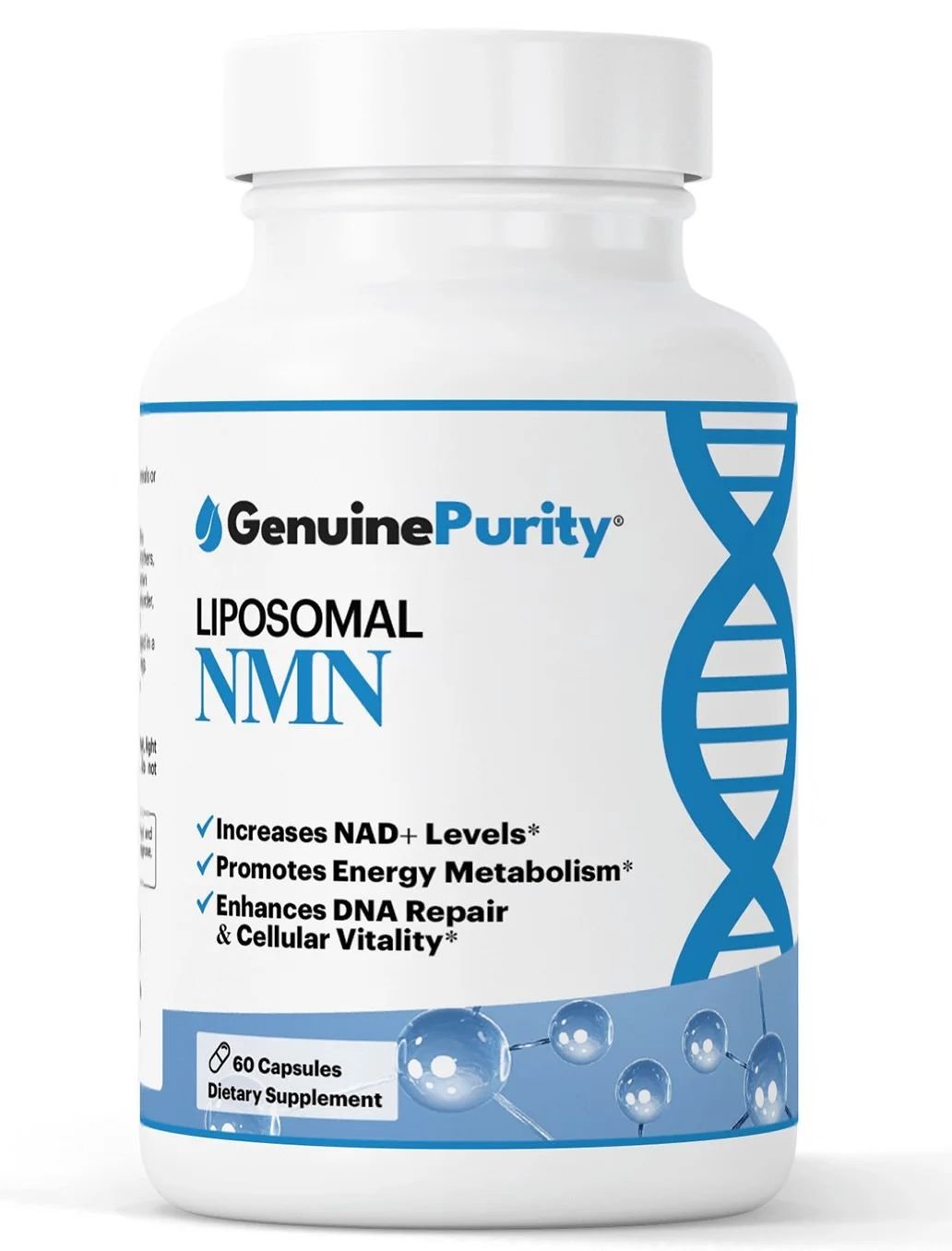
Lipozomal NMN, sağlıklı NAD+ seviyelerini ve enerji üretimi, metabolizma ve sağlıklı yaşlanmayla ilgili hücresel süreçleri desteklemeye yardımcı olabilir. Lipozomal dağıtım sistemi, NMN emilimini ve kullanılabilirliğini desteklemek üzere tasarlanmıştır; bu da genel sağlık ve hücresel fonksiyonu desteklemek isteyen kişiler için bir seçenek haline getirir.
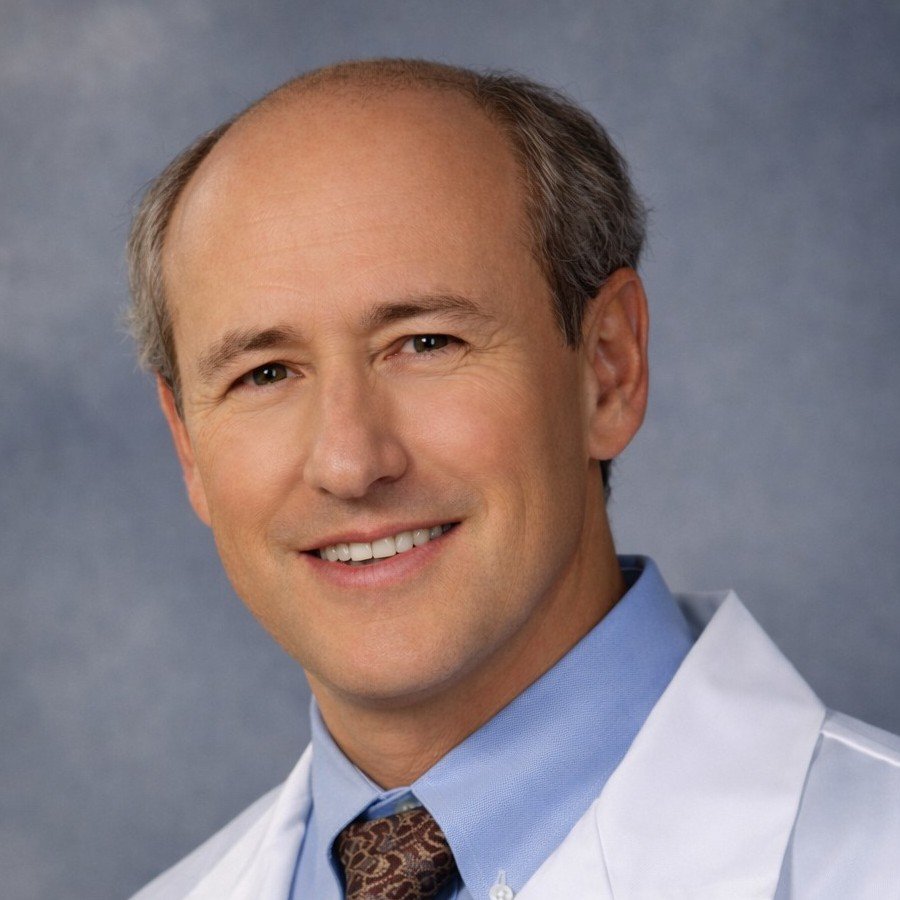
Dr.Jerry K 30'dan fazla uzmandan oluşan bir ekibin parçası olan YourWebDoc.com'un kurucusu ve CEO'sudur. Dr. Jerry K tıp doktoru değildir ancak bir diplomaya sahiptir. Psikoloji Doktoru; o uzmanlaşmış aile hekimliği Ve cinsel sağlık ürünleri. Son on yıl boyunca Dr. Jerry K, beslenme ve cinsel sağlık üzerine çok sayıda sağlık blogu ve çok sayıda kitap yazdı.