
Muscle fatigue is a temporary decline in the ability of muscles to maintain force, power, or exercise intensity during physical activity. It can develop during endurance training, resistance exercise, cycling, running, swimming, and other workouts that place sustained demands on the body. Athletes may experience slower movement, reduced strength, heavier breathing, or difficulty maintaining their usual pace. Although muscle fatigue is a normal response to exercise, its early onset can limit workout duration and reduce training quality.
Introduction: Understanding NMN and Muscle Fatigue Reduction
What Is Muscle Fatigue?
Several factors contribute to exercise-related fatigue, including reduced glycogen availability, changes in muscle energy metabolism, fluid loss, electrolyte imbalances, and the accumulation of substances associated with repeated muscle contractions. The intensity and duration of exercise, nutritional status, sleep quality, and individual fitness level also influence how quickly fatigue develops. Understanding these factors can help people choose effective strategies to improve endurance and support recovery.
What Is NMN and How Does It Relate to Exercise?
Nicotinamide mononucleotide (NMN) is a compound that the body uses to produce nicotinamide adenine dinucleotide (NAD+), a molecule involved in essential cellular processes. NAD+ participates in reactions that help cells extract energy from nutrients and maintain normal metabolic function. It also supports enzymes involved in DNA repair, cellular stress responses, and the regulation of metabolism.
Scientists have therefore investigated whether NMN supplementation can influence exercise capacity by increasing NAD+ availability and supporting energy metabolism. Researchers have also examined its potential effects on oxygen utilization, aerobic performance, and physical function. However, these mechanisms do not establish that NMN supplements reliably prevent muscle fatigue in humans.
Why Are Researchers Studying NMN for Endurance?
NMN has attracted interest because cellular energy metabolism and mitochondrial function are important for maintaining physical performance during prolonged exercise. Some human studies have reported improvements in selected measures of aerobic capacity or exercise performance, but findings remain limited and depend on the population, intervention, and outcome measured. Much of the broader evidence about NMN and muscle function still comes from animal experiments and laboratory research.
For people who exercise regularly, NMN may be worth understanding as an emerging area of nutritional research rather than a proven endurance supplement. Its potential value should be considered alongside established methods of fatigue management, including adequate carbohydrate intake, hydration, progressive training, and sufficient rest.
What Causes Muscle Fatigue During Prolonged Workouts?
Energy Availability and Muscle Contraction
Muscles depend on a continuous supply of ATP to contract, relax, and sustain repeated movements during exercise. The body produces ATP through several energy systems, including immediate energy pathways, anaerobic glycolysis, and aerobic metabolism. The relative contribution of each system depends on exercise intensity, duration, and the availability of oxygen and fuel.
Muscle fatigue does not result from a single process. Changes in calcium handling, the accumulation of certain metabolites, disturbances in ion balance, and reduced neural drive can all contribute to declining muscle performance. Lactate itself is not simply a waste product that causes fatigue; working muscles can use lactate as fuel, and its accumulation often reflects the intensity of energy metabolism.
Mitochondrial Function and Oxidative Stress
Mitochondria help supply ATP during prolonged exercise by using oxygen to support aerobic energy production. Their ability to meet energy demands depends on factors such as mitochondrial content, enzyme activity, oxygen delivery, and the availability of nutrients. Regular endurance training can improve several of these features, helping the body sustain physical activity more efficiently.
Exercise also increases the production of reactive oxygen species, which participate in normal cellular signaling but can contribute to cellular damage when production exceeds the body’s ability to control them. Oxidative stress may affect muscle function and recovery under some conditions. However, reactive oxygen species also help trigger beneficial adaptations to exercise, so eliminating them completely is neither possible nor desirable.
Hydration, Nutrition, and Recovery
Inadequate fluid intake, insufficient energy consumption, and poor recovery can accelerate fatigue even when muscle energy pathways function normally. Sweating causes water and electrolyte losses, which may impair performance when they become substantial. Hot environments, long sessions, and high exercise intensity increase the importance of an appropriate hydration plan.
Other common contributors include:
- Low carbohydrate intake before or during prolonged exercise.
- Insufficient protein and total energy intake to support training and recovery.
- Inadequate sleep or insufficient rest between demanding workouts.
- Excessive training volume without gradual progression.
- Heat exposure and inadequate replacement of fluid losses.
Fatigue can also have causes unrelated to exercise, including anemia, thyroid disorders, infections, and some medication effects. Persistent or unexplained fatigue deserves medical assessment, particularly when it occurs during ordinary daily activities or accompanies other symptoms.
How NMN Supports Cellular Energy Production and Muscle Endurance
NMN and NAD+ Production
NMN participates in a biological pathway that produces NAD+, a coenzyme required for many reactions involved in cellular metabolism. NAD+ helps transfer electrons during processes that break down carbohydrates, fats, and other nutrients. These reactions support the production of ATP, which muscles use to generate force and sustain movement.
Cells continually use and replenish NAD+ as part of normal metabolism. NAD+ availability can vary with tissue type, age, metabolic state, and other biological factors. Researchers have investigated whether supplying NMN can increase NAD+ levels in humans and whether these changes lead to measurable improvements in health or physical performance.
Mitochondria and Aerobic Performance
Mitochondria play a central role in supplying the energy required for sustained aerobic exercise. During prolonged workouts, aerobic metabolism helps produce ATP while allowing muscles to maintain repeated contractions over extended periods. NAD+ participates in metabolic reactions that support this process, making NAD+ metabolism a relevant subject in exercise research.
Some NMN studies have investigated aerobic capacity, including measures related to oxygen use during exercise. A small number of human trials have reported improvements in selected performance outcomes, particularly in specific study populations or when NMN was combined with exercise training. These findings are promising but do not establish a consistent effect across all healthy adults, athletes, or workout types.
NAD+-Dependent Enzymes and Cellular Stress Responses
NAD+ also supports enzymes that regulate cellular maintenance, stress responses, and metabolic signaling. These include sirtuins, a family of proteins involved in processes such as mitochondrial regulation and cellular adaptation. Other NAD+-dependent enzymes participate in DNA repair and related cellular functions.
These pathways have led scientists to examine whether NMN could influence age-related changes in muscle function or the body’s response to exercise. Much of the detailed evidence about these mechanisms comes from animal models and laboratory studies. Human research has not yet established that NMN supplementation produces substantial improvements in muscle repair, reduces exercise-induced damage, or prevents fatigue through these pathways.
NMN also should not be confused with a direct stimulant. It is not established to produce an immediate increase in strength or energy comparable to the short-term effects of certain performance aids.
What the Evidence Means for Exercisers
Current research supports studying NMN as a potential way to influence NAD+ metabolism, but it does not establish NMN as a proven muscle endurance supplement. People should consider the strength of the evidence, the outcomes measured, and the limitations of individual studies before drawing conclusions about expected benefits.
Can NMN Supplementation Help Delay Muscle Fatigue During Prolonged Workouts?
NMN and Exercise Endurance
NMN supplementation may support certain processes involved in exercise performance, but current evidence does not confirm that it consistently delays muscle fatigue in humans. Researchers have investigated NMN because it can increase NAD+ availability, potentially influencing metabolic pathways involved in energy production and physical function. These effects could be relevant to people who want to maintain exercise intensity for longer periods.
A human clinical study published in 2021 examined NMN supplementation in recreational runners and reported improvements in selected measures of aerobic capacity when participants combined supplementation with exercise training. The findings suggest that NMN may influence some aspects of endurance adaptation under specific conditions. However, improvements in aerobic capacity do not necessarily mean that participants experienced less muscle fatigue or completed every workout with greater endurance.
Could NMN Help Maintain Energy During Exercise?
NMN could influence exercise performance by supporting NAD+-dependent metabolic reactions, although the effect on practical energy availability remains uncertain. NAD+ participates in the conversion of nutrients into energy that cells can use. Because muscle cells rely on these reactions during physical activity, researchers are examining whether NMN supplementation can improve the body’s ability to sustain aerobic exercise.
Several potential outcomes deserve further investigation:
- Improved aerobic capacity during structured endurance training.
- Changes in oxygen utilization during exercise.
- Support for metabolic processes involved in sustained muscle contraction.
- Possible effects on age-related changes in physical performance.
- Changes in exercise tolerance under specific training conditions.
These possibilities are research questions rather than established benefits. NMN does not replace muscle glycogen, prevent dehydration, or remove the need for rest. Its effects may also differ depending on a person’s baseline health, training status, age, and nutritional intake.
Factors That May Influence Individual Results
An individual’s response to NMN may depend on several biological and lifestyle factors that researchers have not fully defined. Age may influence NAD+ metabolism, while exercise history affects mitochondrial function, muscle conditioning, and aerobic capacity. People with different fitness levels may therefore respond differently to the same intervention.
Workout characteristics also matter. A prolonged, moderate-intensity cycling session places different demands on the body than a short, high-intensity resistance workout. NMN research findings from one type of exercise cannot automatically be applied to another.
What Should Consumers Expect?
NMN should be viewed as an experimental option for supporting exercise-related metabolic processes rather than a guaranteed way to extend workouts. Anyone considering supplementation should review the available human evidence, assess product quality, and discuss relevant health concerns with a healthcare professional.
How to Combine NMN Supplementation With Strategies for Better Muscle Endurance
Prioritize Nutrition for Sustained Energy
A well-planned diet provides the energy and nutrients muscles need to maintain performance during prolonged workouts. Carbohydrates help replenish muscle glycogen and supply glucose during exercise, making them especially important for long-distance running, cycling, swimming, and other endurance activities.
Protein supports muscle repair and adaptation after training, while dietary fats contribute to overall energy intake and normal physiological function. The appropriate balance depends on workout duration, intensity, body size, and training goals.
Maintain Hydration and Electrolyte Balance
Adequate hydration helps the body regulate temperature and maintain normal physical performance during exercise. Sweating causes fluid loss, and prolonged exercise in hot conditions can increase the risk of dehydration. Replacing fluids according to individual needs can help prevent avoidable performance declines.
Electrolytes, particularly sodium, are important when sweat losses are substantial. However, excessive water consumption can also be dangerous because it may dilute blood sodium levels. A sensible hydration plan should account for exercise duration, environmental conditions, sweat rate, and individual health needs.
Use Training and Recovery to Reduce Fatigue
Progressive training improves endurance by allowing the cardiovascular system, muscles, and energy pathways to adapt to repeated physical demands. Increasing workout duration or intensity gradually helps reduce the risk of excessive fatigue and overuse injuries. Training plans should also include easier sessions and adequate recovery periods.
Useful strategies include:
- Increasing training volume gradually rather than making sudden changes.
- Using appropriate pacing during prolonged workouts.
- Getting sufficient sleep to support physical recovery.
- Scheduling rest days according to training demands.
- Monitoring persistent soreness, declining performance, and unusual fatigue.
These practices have a stronger foundation in exercise science than NMN supplementation as a method of preventing fatigue.
Consider NMN Safety and Supplement Quality
Anyone considering NMN should understand that the ideal dose, long-term safety profile, and effectiveness for delaying muscle fatigue have not been established. Human studies have used different doses and durations, so their findings do not define a universal supplementation protocol.
Consumers should select products from manufacturers that provide clear ingredient information and independent quality testing when available. Supplement labels and marketing claims do not prove that a product improves endurance.
People with chronic health conditions, those taking medications, and pregnant or breastfeeding individuals should seek appropriate medical advice before considering NMN. Anyone experiencing unexplained fatigue should also investigate possible underlying causes.
Conclusion: NMN’s Potential for Muscle Fatigue Reduction and Prolonged Exercise
What We Know About NMN and Muscle Fatigue
NMN is a precursor to NAD+, a molecule that supports cellular energy metabolism and several processes involved in normal muscle function. Because NAD+ participates in metabolic reactions and mitochondrial energy production, scientists are investigating whether NMN supplementation can improve exercise capacity and help people maintain physical performance for longer periods.
Early human research has reported improvements in selected measures of aerobic capacity under certain conditions. However, the evidence remains limited, and researchers have not established that NMN consistently delays the onset of muscle fatigue, prevents exercise-related muscle damage, or improves endurance across different populations.
How to Approach NMN Supplementation
People interested in NMN should evaluate it as a developing area of nutritional research rather than a replacement for proven exercise and recovery practices. Supplementation alone cannot compensate for inadequate carbohydrate intake, dehydration, poor sleep, or excessive training volume.
Before using NMN, consider the following priorities:
- Establish a balanced nutrition plan that meets daily energy needs.
- Maintain appropriate hydration during prolonged exercise.
- Follow a progressive training schedule with sufficient recovery.
- Review supplement quality and discuss potential risks with a healthcare professional.
- Evaluate claims about endurance benefits against published human clinical evidence.
People who experience persistent fatigue or an unexplained decline in exercise performance should seek medical evaluation instead of assuming that they need an energy-support supplement.
The Future of NMN in Sports and Exercise
Future clinical research will help determine whether NMN supplementation offers meaningful benefits beyond established approaches to endurance training. Scientists need larger studies with consistent supplementation protocols, well-defined participant groups, and direct measurements of fatigue and exercise performance.
Researchers should also examine whether age, training status, baseline NAD+ metabolism, and exercise type influence the results. These findings could clarify which populations, if any, may benefit from NMN and whether its effects justify routine use.
For now, NMN remains scientifically interesting because of its connection to NAD+ metabolism, but its role in sports nutrition is not fully established.
NMN supplements may support biological pathways linked to energy production and delay muscle fatigue during prolonged workouts. However, established nutrition, hydration, training, and recovery practices should remain the foundation of endurance improvement.
Out Top NMN Choice
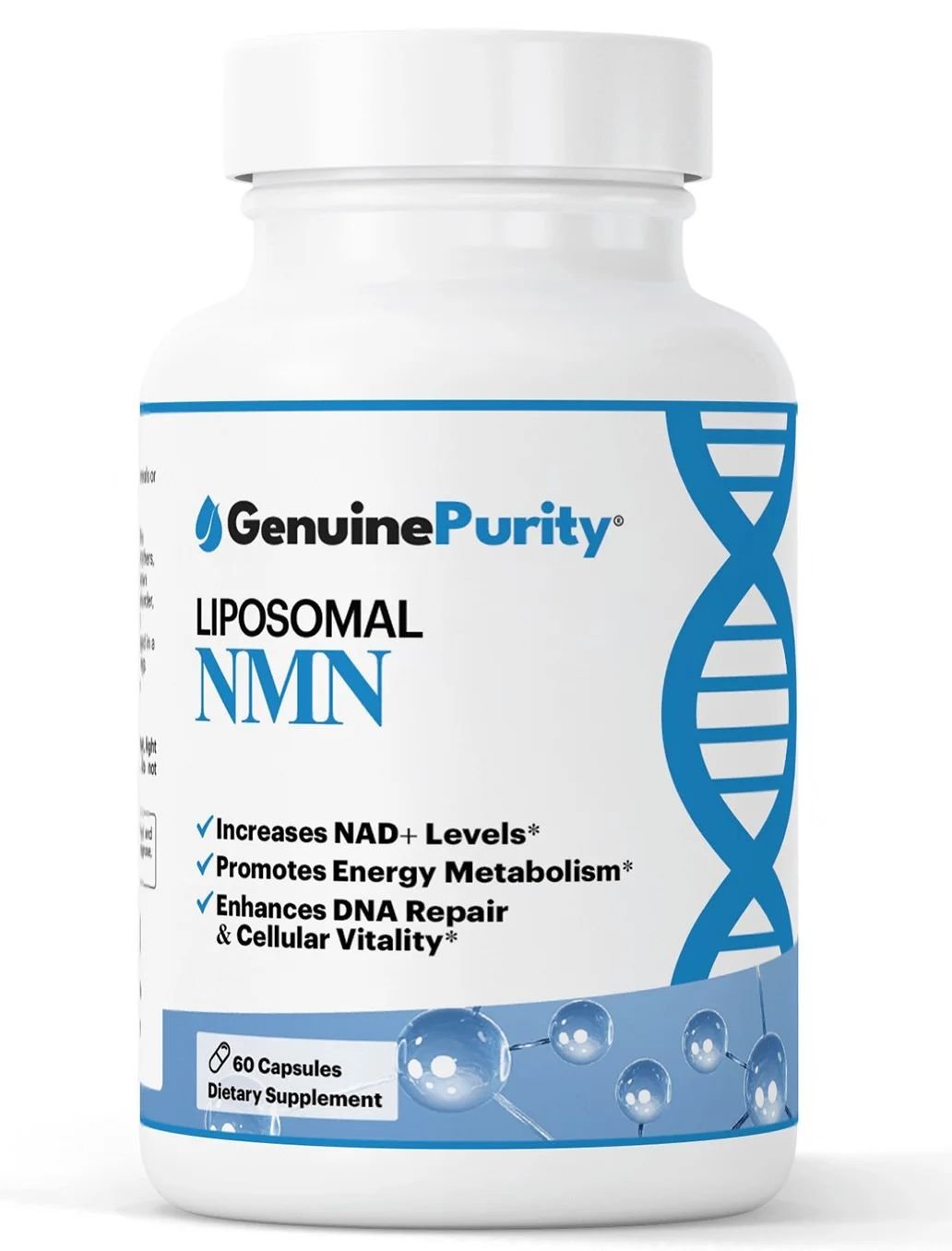
Liposomal NMN may help support healthy NAD+ levels and cellular processes involved in energy production, metabolism, and healthy aging. Its liposomal delivery system is designed to support NMN absorption and availability, making it an option for people interested in supporting overall health and cellular function.

Dr. Jerry K is the founder and CEO of YourWebDoc.com, part of a team of more than 30 experts. Dr. Jerry K is not a medical doctor but holds a degree of Doctor of Psychology; he specializes in family medicine and sexual health products. During the last ten years Dr. Jerry K has authored a lot of health blogs and a number of books on nutrition and sexual health.