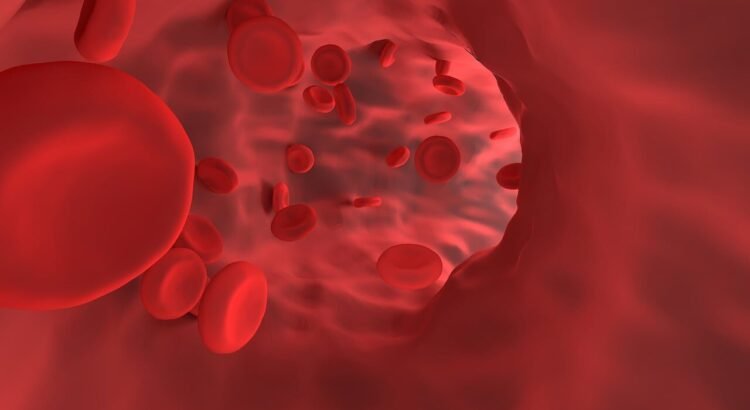
The endothelium is a thin layer of specialized cells that lines the interior surface of every blood vessel in the body. Although this layer is only one cell thick, it performs many functions that directly influence cardiovascular health. Endothelial cells act as a barrier between circulating blood and the vessel wall while also serving as active regulators of blood vessel activity.
Introduction: Understanding Endothelial Function and Circulation
The endothelium helps maintain normal circulation through several important functions:
- Regulating blood vessel dilation and constriction
- Supporting healthy blood flow
- Controlling the movement of substances into tissues
- Helping maintain balanced clotting processes
- Participating in immune and inflammatory responses
Healthy endothelial cells continuously communicate with surrounding tissues to keep blood vessels functioning efficiently. When these cells perform properly, blood can move freely throughout the circulatory system, delivering oxygen and nutrients to organs and tissues.
The Link Between Endothelial Dysfunction and Poor Circulation
Endothelial dysfunction occurs when the inner lining of blood vessels loses its ability to regulate vascular function effectively. This condition often develops gradually and may begin years before obvious cardiovascular symptoms appear.
Several factors may contribute to endothelial dysfunction, including aging, chronic inflammation, elevated blood sugar levels, poor dietary habits, physical inactivity, and exposure to environmental stressors. These influences can reduce the production of important signaling molecules that help blood vessels remain flexible and responsive.
Reduced endothelial performance can negatively affect circulation throughout the body. Blood vessels may become less capable of widening when increased blood flow is needed. This limitation can contribute to reduced tissue oxygenation and increased strain on the cardiovascular system.
As people age, endothelial function often declines naturally. Researchers have become increasingly interested in identifying nutritional strategies that may help preserve endothelial health and support circulation. Among these approaches, NMN supplementation has gained attention because of its relationship with cellular energy production and healthy aging processes.
Maintaining endothelial health represents an important goal for individuals seeking long-term cardiovascular wellness. Since blood vessels connect every organ and tissue in the body, preserving their function may have widespread effects on overall health and vitality.
A healthy endothelium supports efficient circulation, while endothelial dysfunction may contribute to reduced blood flow and cardiovascular concerns. Understanding this relationship provides a foundation for exploring how NMN may help support vascular health.
NMN and Cellular Energy Production in Blood Vessels
How NMN Supports NAD+ Levels
NMN, or nicotinamide mononucleotide, serves as a precursor to NAD+, a molecule essential for cellular energy production and metabolic function. NAD+ participates in hundreds of biological reactions and is necessary for maintaining normal cellular activity throughout the body.
As individuals grow older, NAD+ levels tend to decline. This reduction may affect the ability of cells to produce energy efficiently and respond to physiological stress. Researchers believe that lower NAD+ availability may contribute to many age-related changes observed in tissues and organs.
Important functions supported by NAD+ include:
- Cellular energy metabolism
- DNA maintenance and repair
- Mitochondrial activity
- Cellular stress responses
- Healthy aging mechanisms
NMN supplementation may help replenish declining NAD+ levels and support cellular performance. By providing a building block for NAD+ synthesis, NMN may assist cells in maintaining adequate energy production.
Energy Demands of Endothelial Cells
Endothelial cells require a continuous supply of energy to perform their many regulatory functions. These cells constantly respond to changes in blood flow, blood pressure, and metabolic demands throughout the body.
Maintaining healthy circulation requires endothelial cells to produce signaling molecules, regulate vessel tone, and communicate with surrounding tissues. All of these activities depend on sufficient cellular energy availability.
Mitochondria play an important role in supporting endothelial health and vascular function. When mitochondrial performance declines, endothelial cells may become less efficient in carrying out their responsibilities. Reduced energy production can contribute to impaired vascular responsiveness and circulation.
Researchers have suggested that restoring NAD+ levels may help support mitochondrial function and overall cellular vitality. This possibility has generated interest in NMN as a nutritional strategy for maintaining healthy blood vessel function during aging.
Energy production is a fundamental requirement for endothelial health. By supporting NAD+ availability and cellular metabolism, NMN may help blood vessel cells maintain the energy needed to regulate circulation effectively.
NMN and Nitric Oxide Production for Improved Blood Flow
The Importance of Nitric Oxide
Nitric oxide is one of the most important molecules involved in regulating blood vessel function and circulation. Endothelial cells produce nitric oxide to signal surrounding smooth muscle tissue to relax, allowing blood vessels to widen.
This widening process, known as vasodilation, helps improve blood flow and ensures adequate delivery of oxygen and nutrients throughout the body. Healthy nitric oxide production contributes to normal cardiovascular function and vascular flexibility.
Nitric oxide supports several essential processes:
- Blood vessel relaxation
- Healthy blood flow
- Circulatory efficiency
- Vascular flexibility
- Blood pressure regulation
A decline in nitric oxide production may contribute to impaired circulation and reduced endothelial performance. Many age-related cardiovascular changes are associated with lower nitric oxide availability.
How NMN May Influence Nitric Oxide Signaling
Research suggests that NAD+ availability may influence the pathways involved in nitric oxide production. Since NMN supports NAD+ synthesis, scientists have investigated whether supplementation may help maintain healthy endothelial signaling.
NAD+ participates in cellular processes that affect enzymes responsible for producing nitric oxide. Improved cellular energy status may allow endothelial cells to function more effectively and maintain appropriate signaling activity.
Studies have indicated that NMN may support endothelial responsiveness and vascular function in aging populations. Although research continues, findings suggest that improved NAD+ levels may help preserve mechanisms associated with healthy blood vessel dilation.
Enhanced nitric oxide signaling may contribute to:
- Better circulation
- Improved vessel flexibility
- Healthier vascular responses
- Greater blood flow efficiency
- Support for cardiovascular wellness
While NMN is not a substitute for healthy lifestyle practices, it may complement other approaches aimed at maintaining vascular function. Regular physical activity, balanced nutrition, adequate sleep, and stress management remain important components of endothelial health.
NMN, Oxidative Stress, and Vascular Protection
Oxidative Stress and Blood Vessel Damage
Oxidative stress develops when the production of reactive molecules exceeds the body’s ability to neutralize them effectively. Over time, excessive oxidative stress can damage cells, proteins, and tissues throughout the cardiovascular system.
Blood vessels are particularly vulnerable because endothelial cells are continuously exposed to circulating substances and environmental influences. Persistent oxidative stress may reduce endothelial efficiency and accelerate vascular aging.
Common contributors to oxidative stress include:
- Aging
- Poor dietary habits
- Smoking
- Chronic inflammation
- Metabolic imbalances
- Environmental exposures
Damage caused by oxidative stress can interfere with normal blood vessel function and circulation. Endothelial cells may become less capable of producing signaling molecules necessary for healthy vascular responses.
NMN’s Potential Protective Effects
NMN may support cellular defense systems by helping maintain adequate NAD+ levels. NAD+ participates in biological pathways involved in cellular maintenance, repair processes, and stress responses.
Researchers have observed that higher NAD+ availability may support the activity of proteins involved in protecting cells from age-related damage. These mechanisms may help preserve endothelial integrity and vascular function over time.
Supporting cellular repair processes may help blood vessels maintain their structural and functional health. While NMN does not eliminate oxidative stress, it may contribute to the body’s ability to manage cellular challenges more effectively.
Potential areas of support include:
- Cellular maintenance
- Mitochondrial function
- DNA repair processes
- Endothelial resilience
- Healthy aging pathways
Ongoing research continues to explore the relationship between NMN, oxidative stress management, and vascular protection. Although additional human studies are needed, current findings suggest that maintaining NAD+ levels may help support long-term blood vessel health.
NMN Supplementation and Cardiovascular Health Outcomes
Evidence from Scientific Studies
Scientific interest in NMN has increased significantly because of its potential role in healthy aging and cardiovascular function. Researchers have examined NMN in laboratory studies, animal models, and an increasing number of human investigations.
Many studies have focused on the relationship between NAD+ restoration and vascular health. Results have suggested that supporting NAD+ levels may positively influence endothelial performance and blood vessel responsiveness.
Areas commonly evaluated in research include:
- Endothelial function
- Vascular flexibility
- Blood flow regulation
- Cellular energy production
- Age-related cardiovascular changes
Although findings are encouraging, researchers continue to investigate the long-term effects of NMN supplementation in humans. Larger clinical studies are needed to better understand optimal dosages, duration of use, and specific cardiovascular outcomes.
Supporting Heart and Vascular Wellness
NMN supplementation is most effective when considered part of a broader cardiovascular wellness strategy. No supplement can replace the benefits of healthy lifestyle choices that support vascular function and overall health.
Several habits work together to promote endothelial health:
- Regular physical activity
- Balanced nutrition
- Weight management
- Healthy sleep patterns
- Stress reduction
- Avoidance of tobacco products
Combining healthy lifestyle practices with nutritional support may provide greater benefits than relying on any single intervention. Individuals interested in NMN often use it as part of a comprehensive approach aimed at supporting healthy aging and cardiovascular performance.
Maintaining regular medical evaluations also remains important. Monitoring blood pressure, blood sugar, cholesterol levels, and other cardiovascular markers can help identify potential concerns early and guide appropriate health decisions.
Conclusion: Enhancing Blood Vessel Health with NMN
Key Takeaways on NMN and Endothelial Function
Endothelial health plays a critical role in maintaining efficient circulation and overall cardiovascular wellness. The endothelium regulates blood flow, vascular tone, and many other functions that influence the health of the circulatory system.
Aging and other factors can gradually impair endothelial performance, leading to reduced vascular flexibility and circulation. Researchers have identified declining NAD+ levels as one potential contributor to these changes.
Key points discussed in this article include:
- The importance of endothelial function
- The role of NAD+ in cellular energy production
- NMN’s relationship with NAD+ synthesis
- The significance of nitric oxide for circulation
- The impact of oxidative stress on blood vessels
- Research findings regarding NMN and vascular health
NMN may help support the biological processes that contribute to endothelial function and healthy blood vessel function. By promoting NAD+ availability, NMN may assist endothelial cells in maintaining energy production, cellular maintenance, and signaling activities.
A Balanced Approach to Cardiovascular Health
Long-term cardiovascular wellness depends on consistent lifestyle habits and proactive health management. Nutritional supplementation may provide support, but it should be viewed as one component of a broader health strategy.
Individuals seeking to maintain healthy circulation should focus on habits that support vascular function throughout life. Regular exercise, nutritious food choices, adequate sleep, stress control, and routine medical care remain essential foundations of cardiovascular health.
Future research will continue to clarify the full potential of NMN supplementation for endothelial function and circulation. As scientific understanding expands, researchers may gain deeper insight into how NAD+ restoration influences vascular aging and cardiovascular outcomes.
Out Top NMN Choice
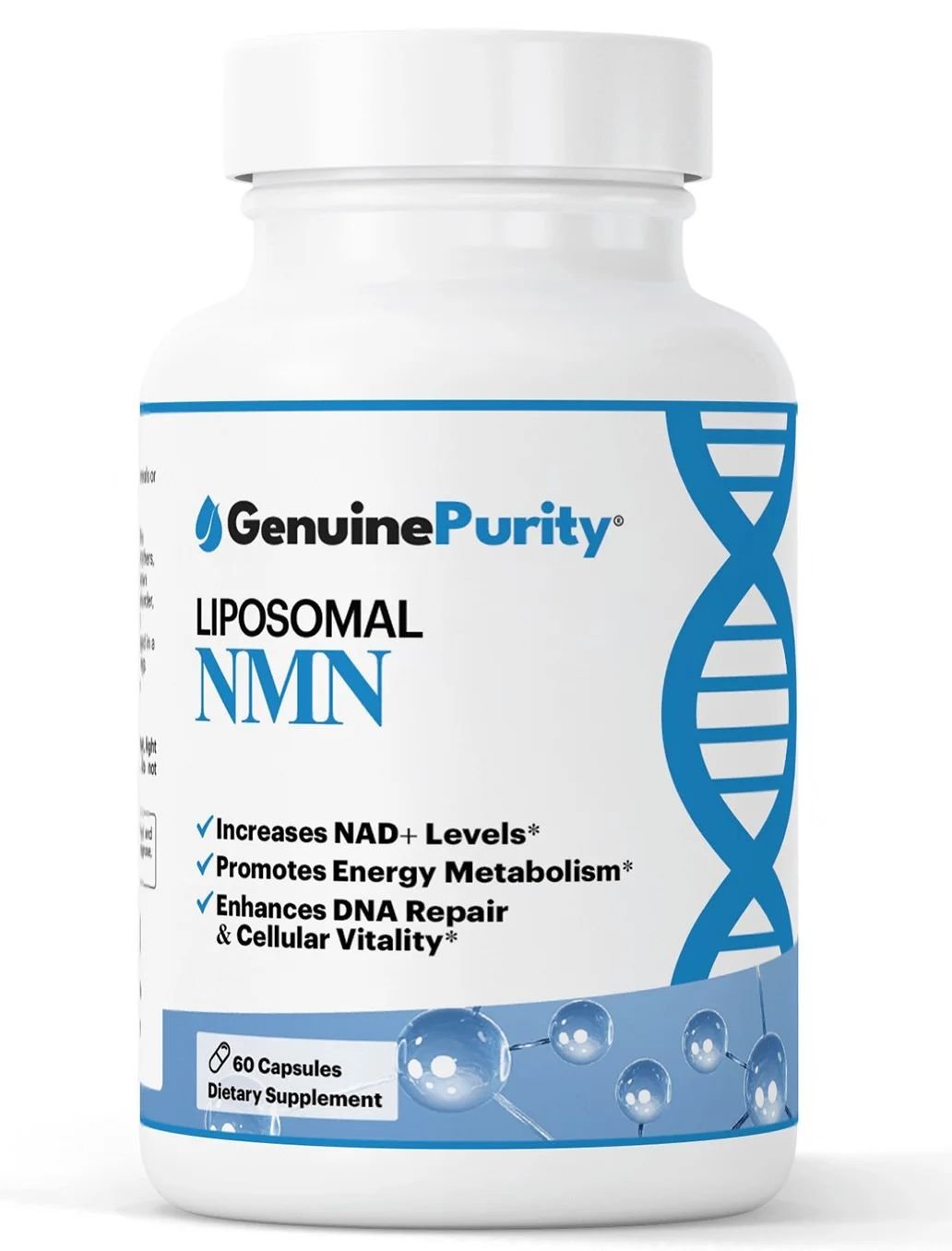
Liposomal NMN may help support healthy NAD+ levels and cellular processes involved in energy production, metabolism, and healthy aging. Its liposomal delivery system is designed to support NMN absorption and availability, making it an option for people interested in supporting overall health and cellular function.

Dr. Jerry K is the founder and CEO of YourWebDoc.com, part of a team of more than 30 experts. Dr. Jerry K is not a medical doctor but holds a degree of Doctor of Psychology; he specializes in family medicine and sexual health products. During the last ten years Dr. Jerry K has authored a lot of health blogs and a number of books on nutrition and sexual health.