DNA controls the structure, function, and repair processes of every cell in the human body. Genetic material stores the instructions that regulate protein production, cellular communication, tissue growth, and immune responses. Every organ depends on accurate DNA replication to maintain normal function. When DNA becomes damaged, cells may lose their ability to divide correctly or repair themselves efficiently.
Introduction: Understanding NMN and DNA Protection
The Role of DNA in Cellular Health
Environmental exposure and internal metabolic activity constantly challenge DNA stability. Common sources of damage include pollution, radiation, poor nutrition, smoking, alcohol use, and chronic stress. Even normal cellular respiration produces unstable molecules known as free radicals. These compounds can attack DNA strands and alter genetic information over time.
Common Causes of DNA Damage
DNA damage increases naturally with aging and long-term exposure to harmful conditions. Oxidative stress remains one of the leading contributors to genetic instability. When free radicals exceed the body’s antioxidant defenses, they damage proteins, lipids, and DNA structures. Inflammation also weakens cellular repair systems and increases mutation risk.
Several lifestyle factors may accelerate DNA deterioration:
- Poor-quality diet lacking antioxidants
- Chronic sleep deprivation
- Sedentary lifestyle
- Excessive sun exposure
- High alcohol consumption
- Smoking and environmental toxins
These factors reduce the body’s ability to maintain healthy cells and may increase the likelihood of age-related health concerns.
Why DNA Integrity Matters for Healthy Aging
Healthy aging depends heavily on the body’s ability to preserve accurate genetic information. Stable DNA supports proper tissue repair, hormone balance, immune regulation, and cognitive performance. When genetic material becomes unstable, cells may enter senescence, which means they stop functioning normally while remaining active inside tissues.
Damaged DNA may also interfere with mitochondrial activity. Mitochondria generate cellular energy, and their performance directly affects physical endurance, metabolism, and organ function. Reduced energy production often appears alongside increased oxidative stress and impaired cellular recovery.
Healthy DNA remains essential for long-term wellness, efficient cellular repair, and balanced aging. NMN supplementation may offer support for these processes by improving cellular energy production and strengthening mechanisms that help preserve genetic stability.
NMN and Cellular Energy Production
How NMN Supports NAD+ Levels
NMN plays an important role in helping the body produce NAD+, a coenzyme required for cellular energy generation. NAD+ participates in many biochemical reactions that convert nutrients into usable energy. Cells rely on sufficient NAD+ availability to support mitochondrial function, tissue repair, and metabolic balance.
As people age, NAD+ production declines steadily. Lower NAD+ levels may reduce energy output and weaken cellular defense systems. This reduction often contributes to fatigue, slower recovery, and increased vulnerability to oxidative stress. NMN supplementation may help restore declining NAD+ levels and improve overall cellular efficiency.
The Connection Between NAD+ and Mitochondrial Function
Mitochondria depend on NAD+ to produce the energy required for normal cellular activity. These structures function as energy centers that transform glucose and fatty acids into adenosine triphosphate, also known as ATP. ATP fuels nearly every biological process, including muscle contraction, nerve signaling, and tissue repair.
When NAD+ levels become insufficient, mitochondrial performance may decline. Reduced mitochondrial activity can increase free radical production and place additional stress on DNA structures. Maintaining healthy mitochondrial function helps reduce cellular strain and supports long-term genetic stability.
Important functions supported by healthy mitochondria include:
- Energy production
- Cellular signaling
- Oxidative balance
- Tissue regeneration
- Immune response regulation
Energy Production and DNA Maintenance
Cells require large amounts of energy to identify and repair damaged DNA. DNA repair enzymes rely on stable energy supplies to detect genetic errors and restore damaged strands. When energy production decreases, repair mechanisms may become slower and less effective.
Low NAD+ availability may also reduce the activity of proteins that protect DNA against stress-related injury. This situation may increase the accumulation of mutations over time. By supporting NAD+ synthesis, NMN may help maintain the energy necessary for continuous cellular repair and maintenance.
Cellular Stress and Genetic Stability
Cellular stress increases when the body cannot produce enough energy to manage internal damage efficiently. Stress conditions often trigger inflammation, oxidative injury, and impaired communication between cells. Over time, these effects may weaken tissues and accelerate biological aging.
Several factors can intensify cellular stress:
- Aging-related NAD+ decline
- Chronic inflammation
- Poor metabolic health
- Nutritional deficiencies
- Sleep disturbances
Supporting cellular energy production may improve the body’s ability to respond to these challenges. Researchers continue investigating whether NMN supplementation can help maintain stronger cellular resilience during aging.
Balanced cellular energy production supports mitochondrial health, DNA repair activity, and overall tissue function. NMN may contribute to these protective mechanisms by helping maintain adequate NAD+ levels and reducing stress that can damage genetic material over time.
How NMN Supports DNA Repair Mechanisms
DNA Repair Pathways in Human Cells
Human cells contain specialized repair systems that constantly monitor and correct DNA damage. These mechanisms identify errors caused by oxidative stress, radiation exposure, toxins, and normal metabolic activity. Without repair pathways, damaged DNA would accumulate rapidly and interfere with healthy cellular function.
Cells use several repair methods depending on the type of injury. Some pathways repair single-strand breaks, while others correct double-strand damage or remove abnormal chemical changes. Efficient repair systems help maintain stable genetic information and reduce the risk of dysfunctional cell activity.
The Role of Sirtuins in Genetic Protection
Sirtuins are protective proteins that help regulate cellular survival, metabolism, and DNA stability. These proteins require NAD+ to function correctly. As NAD+ levels decline with age, sirtuin activity may decrease, reducing the body’s ability to manage stress and repair damaged cells.
Sirtuins support genetic protection in several ways:
- Regulating inflammation
- Supporting mitochondrial performance
- Enhancing cellular stress resistance
- Assisting DNA repair processes
- Promoting healthy aging pathways
Researchers believe that increasing NAD+ availability through NMN supplementation may improve sirtuin activity and strengthen cellular defense systems.
PARP Enzymes and DNA Restoration
PARP enzymes help detect DNA strand breaks and coordinate cellular repair responses. Poly ADP-ribose polymerases, commonly called PARPs, act quickly when DNA damage appears. These enzymes consume NAD+ during the repair process, which means adequate NAD+ availability remains important for efficient restoration.
When NAD+ levels become depleted, PARP activity may weaken. Reduced repair capacity can allow damaged DNA to persist inside cells. Long-term accumulation of genetic errors may contribute to cellular aging and tissue dysfunction.
NMN supplementation may help support PARP function by increasing the supply of NAD+ required during repair activity. Scientists continue studying how this relationship may influence healthy aging and disease prevention.
NMN and Cellular Recovery From Oxidative Damage
Oxidative stress can overwhelm cellular repair systems when antioxidant defenses become insufficient. Free radicals may attack DNA strands directly and create mutations that interfere with normal cellular communication. Cells must respond quickly to prevent long-term injury.
Several healthy habits may complement NMN supplementation and support DNA repair:
- Consuming antioxidant-rich foods
- Maintaining regular physical activity
- Managing emotional stress
- Getting sufficient sleep
- Avoiding smoking and excessive alcohol use
Combining these strategies with healthy NAD+ support may improve cellular resilience against oxidative stress.
Efficient DNA repair systems help preserve cellular function and reduce accumulated genetic damage during aging. NMN may support these processes by increasing NAD+ availability, activating protective proteins, and strengthening the body’s natural repair mechanisms.
Oxidative Stress, Inflammation, and Genetic Damage
Free Radicals and DNA Mutations
Free radicals can damage DNA by attacking the molecular structure of genetic material inside cells. These unstable molecules form naturally during metabolism, but environmental exposure and unhealthy habits may increase their production significantly. Excessive free radical activity creates oxidative stress, which weakens cellular stability.
Oxidative damage may alter DNA sequences and interfere with normal cell division. When mutations accumulate, tissues may function less efficiently and lose their ability to regenerate properly. Long-term oxidative stress may also increase vulnerability to age-related disorders.
Chronic Inflammation and Cellular Aging
Chronic inflammation places continuous pressure on cells and may accelerate genetic deterioration over time. Inflammation serves as a natural defense mechanism during injury or infection, but persistent inflammatory activity can damage healthy tissues. Inflammatory compounds may increase oxidative stress and disrupt normal cellular repair systems.
Many lifestyle and environmental factors contribute to chronic inflammation:
- Poor dietary habits
- Obesity and metabolic imbalance
- Lack of physical activity
- Chronic psychological stress
- Exposure to environmental toxins
- Inadequate sleep quality
Reducing inflammation remains important for preserving healthy DNA and supporting efficient cellular repair.
How NMN May Help Reduce Oxidative Stress
NMN supplementation may support the body’s defenses against oxidative damage by improving cellular energy balance. Healthy NAD+ levels help activate proteins that regulate antioxidant activity and mitochondrial efficiency. Better mitochondrial performance may reduce excessive free radical production inside cells.
Research suggests that NAD+-dependent proteins may also influence inflammatory signaling pathways. Improved cellular energy production can strengthen tissue resilience and help cells respond more effectively to stress conditions. Although studies continue, many researchers consider NAD+ support an important factor in healthy aging.
Protecting Genetic Material Through Cellular Balance
Maintaining cellular balance helps reduce stress that may otherwise weaken DNA integrity. Cells perform best when energy production, antioxidant defenses, and inflammatory responses remain properly regulated. Poor metabolic health may disturb this balance and increase the burden placed on repair systems.
Several strategies may support healthier cellular conditions:
- Eating nutrient-dense foods
- Staying physically active
- Maintaining healthy body weight
- Limiting exposure to pollutants
- Supporting consistent sleep patterns
These habits may work alongside NMN supplementation to promote stronger cellular protection and healthier aging processes.
Oxidative stress and chronic inflammation remain major contributors to DNA damage and cellular aging. NMN may help support antioxidant defenses, improve mitochondrial efficiency, and strengthen the body’s ability to maintain healthier genetic material over time.
Lifestyle Strategies That Enhance NMN Benefits
Nutrition and DNA Protection
Balanced nutrition provides essential support for DNA maintenance and cellular repair processes. Cells require vitamins, minerals, antioxidants, proteins, and healthy fats to maintain stable function and defend against oxidative stress. Nutrient-rich foods may help reduce inflammation and support long-term cellular resilience.
Antioxidant-containing foods may help protect DNA from free radical damage. Fruits, vegetables, legumes, seeds, and whole grains contribute compounds that support healthy cellular environments. Hydration also plays an important role in maintaining efficient metabolic activity and waste removal.
Helpful dietary habits may include:
- Consuming fresh vegetables regularly
- Limiting processed foods and sugar
- Choosing healthy fat sources
- Maintaining adequate protein intake
- Drinking sufficient water daily
Physical Activity and Cellular Regeneration
Regular physical activity supports mitochondrial health and improves cellular energy production. Exercise increases circulation, improves metabolic balance, and stimulates natural antioxidant defenses. Moderate activity may also support healthier NAD+ metabolism and reduce inflammation.
Exercise benefits extend beyond muscle strength. Consistent movement may help regulate blood sugar levels, improve cardiovascular function, and support healthy immune responses. These effects create conditions that help preserve genetic stability and cellular repair capacity.
Sleep, Stress Management, and Genetic Health
Quality sleep allows the body to repair damaged tissues and restore healthy cellular function. During sleep, the body regulates hormone production, immune activity, and metabolic recovery. Sleep deprivation may increase oxidative stress and reduce the efficiency of DNA repair mechanisms.
Chronic emotional stress can also disrupt cellular balance. Elevated stress hormones may increase inflammation and weaken antioxidant defenses. Relaxation techniques and healthy daily routines may help reduce this burden on the body.
Useful stress-management practices may include:
- Deep breathing exercises
- Meditation or mindfulness
- Regular outdoor activity
- Structured sleep schedules
- Reduced screen exposure before bedtime
Combining NMN Supplementation With Healthy Habits
NMN supplementation may provide stronger benefits when combined with supportive lifestyle choices. Healthy nutrition, regular exercise, stress reduction, and proper sleep create an environment that allows cells to function more efficiently. Together, these habits may improve the body’s ability to preserve DNA integrity and maintain long-term health.
Supplements alone cannot replace healthy behaviors. However, supporting NAD+ production while maintaining balanced daily routines may strengthen cellular defense systems and support healthier aging outcomes.
Strong lifestyle habits support DNA stability, reduce oxidative stress, and improve cellular recovery processes. Combining NMN supplementation with healthy nutrition, exercise, sleep, and stress management may help strengthen the body’s natural protection against genetic damage.
Conclusion: NMN as a Tool for Preserving DNA Integrity
The Importance of Long-Term Cellular Protection
Protecting DNA integrity remains essential for maintaining healthy tissues, organs, and biological function throughout life. Cells depend on accurate genetic information to regulate repair processes, energy production, and immune activity. When DNA damage accumulates faster than the body can repair it, cellular aging may accelerate.
Modern lifestyles often expose the body to conditions that increase oxidative stress and inflammation. Pollution, poor diet, emotional stress, and limited physical activity may place continuous pressure on cellular systems. Supporting long-term genetic stability has become increasingly important for healthy aging.
Potential Benefits of NMN for Healthy Aging
NMN supplementation may help support healthier aging by maintaining NAD+ levels involved in cellular repair and energy metabolism. NAD+ participates in mitochondrial function, oxidative balance, and activation of proteins that protect DNA against damage. Declining NAD+ levels may weaken these protective mechanisms over time.
Researchers continue investigating how NMN may influence several areas of health:
- Cellular energy production
- DNA repair efficiency
- Mitochondrial performance
- Inflammatory balance
- Oxidative stress resistance
Although ongoing studies continue exploring long-term outcomes, current findings suggest that NAD+ support may contribute to improved cellular resilience.
Supporting Genetic Stability Through Daily Wellness Practices
Healthy lifestyle habits remain critical for reducing stress placed on DNA repair systems. Proper nutrition, consistent physical activity, quality sleep, and stress management all contribute to stronger cellular performance. These habits may help reduce oxidative injury and support balanced metabolic function.
Avoiding harmful behaviors may also improve long-term genetic protection. Smoking, excessive alcohol use, chronic sleep deprivation, and poor dietary choices may accelerate DNA damage and weaken tissue recovery. Combining healthy behaviors with supportive supplementation may improve the body’s ability to maintain stable cellular function.
Final Thoughts on NMN and DNA Integrity
Maintaining healthy DNA may support better physical function, cognitive performance, and overall quality of life during aging. Cellular repair systems work continuously to defend the body against environmental stress and internal metabolic damage. Supporting these systems through balanced habits and proper nutritional support may help preserve long-term wellness.
NMN represents a promising area of research in healthy aging and cellular protection. By supporting NAD+ production and energy metabolism, NMN may help strengthen natural repair mechanisms that defend genetic material against accumulated damage.
Strong DNA protection depends on consistent cellular maintenance, healthy lifestyle choices, and balanced metabolic support. NMN supplementation contribute to healthier aging by helping cells preserve DNA integrity and genetic stability over time.
Out Top NMN Choice
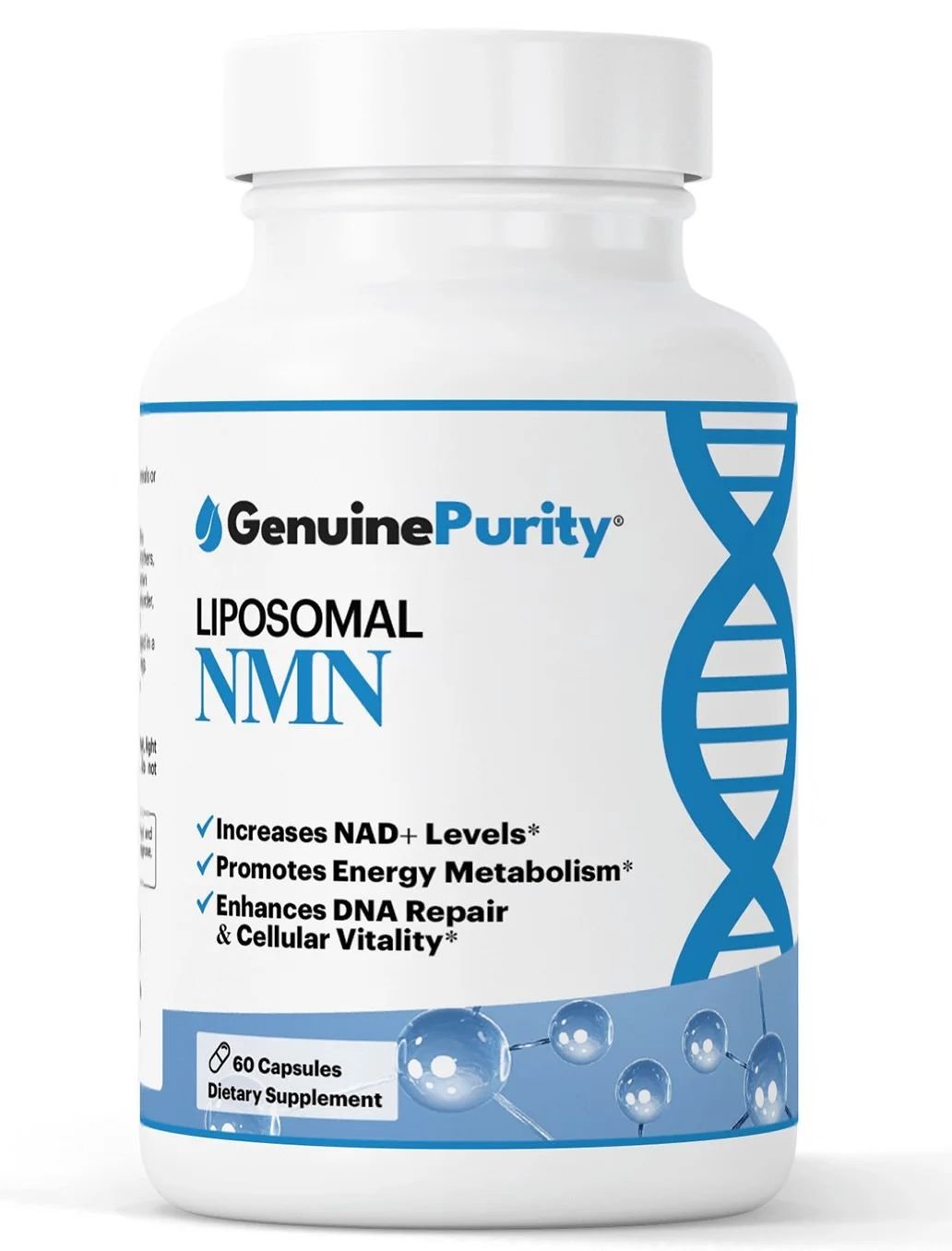
Liposomal NMN may help support healthy NAD+ levels and cellular processes involved in energy production, metabolism, and healthy aging. Its liposomal delivery system is designed to support NMN absorption and availability, making it an option for people interested in supporting overall health and cellular function.

Dr. Jerry K is the founder and CEO of YourWebDoc.com, part of a team of more than 30 experts. Dr. Jerry K is not a medical doctor but holds a degree of Doctor of Psychology; he specializes in family medicine and sexual health products. During the last ten years Dr. Jerry K has authored a lot of health blogs and a number of books on nutrition and sexual health.