
Seasonal changes can increase the risk of respiratory infections, making immune health an important concern during fall and winter. The common cold and influenza are two widespread viral infections that can affect people of all ages, although older adults and individuals with weakened immune systems face a greater risk of complications. Although most healthy people recover from these illnesses, infections can cause significant discomfort, interrupt daily activities, and sometimes lead to more serious health problems.
Introduction: NMN and the Importance of Immune Health During Flu Season
The immune system protects the body against viruses, bacteria, and other potentially harmful microorganisms. Its ability to recognize pathogens, activate immune cells, and coordinate inflammatory responses plays an essential role in preventing infections and supporting recovery. Several factors can affect immune function, including aging, poor nutrition, chronic stress, insufficient sleep, and underlying health conditions. Maintaining good immune health therefore requires a combination of healthy habits and appropriate preventive measures.
One compound that has attracted attention in research on cellular health and aging is nicotinamide mononucleotide (NMN). NMN is a naturally occurring molecule that serves as a precursor to nicotinamide adenine dinucleotide (NAD+), a coenzyme involved in hundreds of cellular processes. NAD+ supports energy production, cellular metabolism, DNA repair, and several biological pathways that help cells respond to stress.
NAD+ is also relevant to immune health because immune cells require substantial amounts of energy to perform their functions. T cells, macrophages, and other immune cells depend on cellular metabolism to identify threats, communicate with other cells, and coordinate defensive responses. Researchers are therefore investigating whether maintaining NAD+ availability could help support normal immune function, particularly as NAD+ levels tend to decline with age.
NMN supplementation
NMN supplementation offers one possible approach to increasing NAD+ availability. Human clinical studies have shown that oral NMN can increase NAD+-related biomarkers, although its effects on specific health outcomes remain under investigation. This finding has encouraged further research into its potential benefits for healthy aging, metabolic function, and immune regulation.
However, it is important to distinguish biological potential from proven medical benefits. There is currently insufficient clinical evidence to establish that NMN prevents influenza, the common cold, or other respiratory infections. NMN should not replace vaccination, appropriate hygiene, or medical treatment.
The main question is whether supporting NAD+ production through NMN supplementation can help maintain the cellular processes involved in healthy immune responses during flu season. Understanding the relationship between NMN, NAD+, and immune function provides a useful starting point for evaluating this possibility.
Understanding How the Immune System Fights Colds and Flu
How the Immune System Protects Against Respiratory Viruses
The immune system uses several coordinated defense mechanisms to identify and eliminate viruses that enter the respiratory tract. When a person inhales respiratory droplets or encounters contaminated surfaces, viruses may enter through the nose, mouth, or eyes and begin infecting susceptible cells.
The immune response involves two main components:
- Innate immunity provides the body’s first line of defense through physical barriers, immune cells, and inflammatory signaling.
- Adaptive immunity uses specialized T cells and antibodies to recognize particular pathogens and develop targeted responses.
- Immune memory helps the body recognize previously encountered pathogens and respond more effectively in the future.
Influenza viruses can cause fever, muscle aches, fatigue, headaches, and respiratory symptoms. Common cold viruses, including rhinoviruses, usually cause milder symptoms such as congestion, sneezing, and sore throat. Different viruses require different immune responses, which explains why protection against one respiratory infection does not guarantee protection against another.
Factors That Weaken Immune Defenses During Flu Season
Several lifestyle and biological factors can affect how effectively the immune system responds to respiratory infections. Aging is particularly important because immune function changes over time through a process known as immunosenescence. Older adults may experience changes in immune cell production, communication, and responsiveness.
Other factors include:
- Poor sleep, which can interfere with normal immune regulation.
- Chronic psychological stress, which can affect inflammatory and hormonal signaling.
- Nutritional deficiencies, particularly inadequate intake of essential vitamins and minerals.
- Physical inactivity, which can negatively affect metabolic and cardiovascular health.
- Chronic inflammation, which can interfere with normal immune regulation.
Cold weather itself does not directly cause influenza or common colds. However, people often spend more time indoors during winter, increasing opportunities for respiratory viruses to spread.
The Role of NAD+ in Immune System Function
NAD+ supports several biological processes that immune cells need to maintain normal activity. It participates in mitochondrial energy production, cellular metabolism, and biochemical reactions involved in DNA repair. These functions become especially important when immune cells become activated and increase their energy requirements.
NAD+ also serves as a substrate for enzymes such as sirtuins and poly(ADP-ribose) polymerases (PARPs). These enzymes participate in cellular stress responses, gene regulation, and DNA repair.
Changes in NAD+ metabolism may therefore influence how cells respond to inflammatory signals and environmental stress. However, the relationship between NAD+ availability and immune protection is not straightforward. Increasing NAD+ does not automatically produce stronger antiviral immunity, and excessive or poorly regulated inflammation can also damage healthy tissues.
Maintaining adequate cellular energy and balanced immune signaling is important for an effective response to seasonal infections. NAD+ contributes to these processes, making it an interesting target for research into age-related immune changes.
The immune system relies on coordinated cellular activity to fight respiratory viruses. Aging, lifestyle factors, and changes in NAD+ metabolism may influence immune function, providing a scientific basis for investigating NMN supplementation.
How NMN Supports Immune System Function
NMN and NAD+ Production
The primary biological role of NMN supplementation is to provide the body with a precursor that can be used to produce NAD+. NAD+ is essential for energy metabolism and cellular maintenance. It participates in reactions that convert nutrients into usable energy and supports enzymes involved in DNA repair, stress responses, and metabolic regulation.
The body naturally produces NMN through several metabolic pathways. However, NAD+ availability can decline with age because of changes in its production, consumption, and recycling. This decline has attracted attention because NAD+ participates in many processes associated with healthy aging.
NMN supplementation may help increase NAD+ availability. Human studies have demonstrated increases in NAD+-related metabolites following oral supplementation. Nevertheless, the extent to which these changes improve specific functions, including immune protection, remains uncertain.
Supporting Immune Cell Energy and Activity
Immune cells require considerable amounts of cellular energy to identify pathogens and coordinate defensive responses. When a virus enters the body, immune cells become activated and begin performing tasks that require increased metabolic activity.
For example, T lymphocytes help recognize infected cells and coordinate adaptive immune responses. Macrophages identify and engulf pathogens, remove damaged cellular material, and release signaling molecules that influence inflammation. Natural killer cells help identify and destroy certain infected or abnormal cells.
All these activities depend on cellular metabolism and energy production. NAD+ participates in glycolysis, mitochondrial respiration, and other metabolic pathways that help cells meet their energy requirements.
NMN may indirectly support these processes by increasing NAD+ availability. However, researchers have not established that taking NMN supplements improves the antiviral activity of human immune cells or reduces the likelihood of developing respiratory infections.
NMN, Inflammation, and Oxidative Stress
NAD+ also participates in cellular mechanisms that regulate inflammation and protect cells against oxidative stress. During viral infections, immune cells release inflammatory signaling molecules that help coordinate the body’s response. This process is necessary for controlling infections, but excessive or prolonged inflammation can damage healthy tissues.
NAD+-dependent enzymes, particularly sirtuins, participate in several pathways associated with inflammatory regulation and cellular stress responses. SIRT1, for example, influences the activity of proteins involved in inflammatory signaling and gene expression.
NMN supplementation may support these pathways by contributing to NAD+ production. Laboratory and animal studies have investigated whether increasing NAD+ availability can influence inflammatory responses, mitochondrial function, and antioxidant defenses.
Oxidative stress is another relevant factor. It occurs when the production of reactive oxygen species exceeds the body’s ability to control them. Although reactive oxygen species also participate in normal immune defense, excessive oxidative stress can damage proteins, lipids, and DNA.
NMN supports NAD+ production, which contributes to immune cell metabolism, cellular repair, and inflammatory regulation. These mechanisms provide scientific reasons to investigate NMN as a potential immune-supporting supplement, but clinical benefits against respiratory viruses remain unproven.
NMN and Flu Season: Potential Benefits for Cold and Flu Prevention
Supporting the Body’s Natural Antiviral Defenses
The potential relationship between NMN and antiviral immunity comes primarily from the role NAD+ plays in cellular metabolism and immune regulation. When respiratory viruses enter the body, immune cells need sufficient energy to recognize infected cells, produce signaling molecules, and coordinate defensive responses.
NAD+ participates in metabolic pathways that provide this energy. It also supports enzymes involved in cellular stress responses and DNA repair. These functions make NAD+ an important component of normal cellular activity during infection.
Researchers have investigated NAD+ metabolism in different models of viral infection and inflammation. Some experimental findings suggest that changes in NAD+ availability can influence immune signaling and cellular responses to infection. However, results from laboratory experiments cannot establish that oral NMN supplements prevent influenza or common colds in humans.
Maintaining Immune Health as We Age
Age-related changes in NAD+ metabolism provide another reason to investigate NMN supplementation as a potential approach to supporting immune health. Older adults often experience immunosenescence, which involves gradual changes in the number, activity, and responsiveness of immune cells.
These changes can affect how quickly the body recognizes pathogens and how effectively it responds to infections. Older individuals also have a greater risk of developing complications from influenza, including pneumonia and worsening of existing medical conditions.
NAD+ levels tend to decline with age, although the extent of this decline varies between individuals and tissues. Since NAD+ supports cellular energy production and maintenance, researchers are studying whether restoring NAD+ availability could help address some age-related changes.
Supporting Recovery and Cellular Repair
Recovery from a viral infection involves several processes that depend on normal cellular metabolism and tissue repair. After the immune system controls an infection, the body must remove damaged cellular components, restore normal tissue function, and resolve the inflammatory response.
NAD+ participates in DNA repair and mitochondrial metabolism, both of which contribute to cellular maintenance. It also supports PARP enzymes, which help detect and respond to DNA damage.
These functions are relevant to general recovery from physiological stress. However, researchers have not established that NMN supplementation shortens the duration of influenza, reduces cold symptoms, or prevents complications.
What Scientific Research Says About NMN and Respiratory Infections
Current research provides evidence that NMN can influence NAD+ metabolism in humans, but direct evidence of protection against colds and flu is lacking. Most human NMN trials have examined safety, NAD+ biomarkers, metabolic health, or physical performance rather than respiratory infection outcomes.
A 2026 systematic review and meta-analysis of randomized controlled trials found that short-term oral NMN supplementation was generally well tolerated in the studied adult populations. The included trials used different doses and durations, but they did not establish a preventive effect against seasonal respiratory infections.
Research also includes laboratory and animal experiments investigating NAD+ and inflammatory pathways. These studies help explain possible biological mechanisms but cannot replace clinical trials involving people exposed to influenza and common cold viruses.
Future studies need to examine whether NMN affects infection rates, symptom severity, recovery time, and immune responses after vaccination. Until such research becomes available, claims that NMN prevents colds or flu should be treated cautiously.
NMN may support cellular processes involved in immune activity, healthy aging, and tissue maintenance. However, current evidence does not demonstrate that NMN prevents respiratory infections or accelerates recovery from colds and influenza.
How to Use NMN Supplements to Support Immune Health During Flu Season
Choosing a Quality NMN Supplement
Choosing a high-quality NMN supplement is an important step for people considering NMN as part of their general health routine. The supplement market includes products with different formulations, ingredient concentrations, manufacturing standards, and levels of quality control.
Consumers should evaluate several factors before purchasing an NMN product:
- NMN purity: Look for products that disclose their NMN concentration and provide information about ingredient purity.
- Third-party testing: Independent laboratory testing can help verify product identity, purity, and the absence of certain contaminants.
- Manufacturing standards: Look for manufacturers that follow recognized Good Manufacturing Practices (GMP).
- Ingredient transparency: Check whether the product contains additional ingredients, fillers, or unnecessary additives.
- Storage instructions: Follow manufacturer recommendations because storage conditions can affect supplement quality.
NMN supplements are commonly available as capsules and powders. Neither form has been established as superior for preventing respiratory infections. The choice usually depends on convenience, formulation, and product quality.
NMN Dosage and Supplementation Guidelines
People considering NMN should discuss supplementation with a qualified healthcare professional, particularly if they have existing medical conditions or take prescription medications. Supplementation should follow product instructions and professional guidance rather than assumptions about higher doses producing greater benefits.
NMN supplementation should never replace established practices that help reduce the risk of seasonal respiratory infections. A healthy lifestyle provides several important forms of support for normal immune function.
Consider incorporating these habits:
- Eat a balanced diet containing vegetables, fruits, whole grains, healthy fats, and adequate protein.
- Maintain a regular sleep schedule and aim for sufficient sleep each night.
- Exercise regularly through walking, cycling, swimming, or other suitable activities.
- Drink enough water to maintain normal hydration.
- Manage chronic stress through relaxation, physical activity, and healthy daily routines.
- Follow recommended vaccination schedules, including annual influenza vaccination.
Safety, Side Effects, and Precautions
Although short-term clinical studies generally suggest that NMN is well tolerated, its long-term safety profile is not fully established. Some studies have reported no significant differences in overall adverse events between NMN and placebo groups. However, the available research has limitations, including relatively small participant numbers and short study periods.
People should seek medical advice before taking NMN if they are pregnant, breastfeeding, receiving treatment for a chronic condition, or using prescription medications. These groups may require additional safety considerations because clinical evidence is limited.
A balanced approach combines informed supplement choices with vaccination, healthy nutrition, adequate sleep, and appropriate medical care.
NMN supplementation should be approached carefully, with attention to product quality, individual health needs, and the limitations of current dosage and safety research. Established preventive measures remain the foundation of flu-season protection.
Conclusion: Can NMN Help Protect You During Flu Season?
NMN has attracted scientific interest because of its potential to support NAD+ production and several biological processes associated with cellular health and immune function. NAD+ participates in energy metabolism, mitochondrial activity, DNA repair, and inflammatory regulation. These processes are important for maintaining healthy cells and supporting the normal activity of the immune system.
The relationship between NAD+ and immune function provides a scientific reason to investigate NMN supplementation during flu season. Immune cells require energy to recognize pathogens, coordinate inflammatory responses, and eliminate infected cells. NAD+ also supports enzymes involved in cellular maintenance and responses to physiological stress.
NMN supplementation may help increase NAD+-related biomarkers in humans. This finding is encouraging for research into healthy aging and metabolic health.
For people interested in NMN, several considerations are important:
- NMN may support NAD+ production and normal cellular metabolism.
- NAD+ participates in biological processes associated with immune cell activity and cellular repair.
- Age-related changes in NAD+ metabolism provide a reason for continued research into NMN supplementation.
- Human studies suggest short-term tolerability, but long-term safety information remains limited.
- No clinically established NMN dosage exists for preventing colds or influenza.
Preventing seasonal infections requires a broader approach. Annual flu vaccination, regular handwashing, adequate sleep, balanced nutrition, physical activity, and avoiding close contact with people who are sick remain important preventive measures.
People who develop influenza symptoms should also understand when medical treatment may be necessary. Prescription antiviral medications can reduce the severity and duration of influenza, particularly when treatment begins early. They are most effective when started within two days of symptom onset.
Future clinical trials should examine whether NMN supplementation influences immune cell activity, vaccine responses, respiratory infection rates, and recovery outcomes. Until stronger evidence becomes available, established preventive healthcare practices should remain the primary strategy for protecting health during flu season.
NMN offers promising biological mechanisms related to cellular health, resulting in its ability to help prevent colds and flu. Vaccination and established preventive healthcare measures remain the most reliable ways to reduce seasonal infection risks.
Out Top NMN Choice
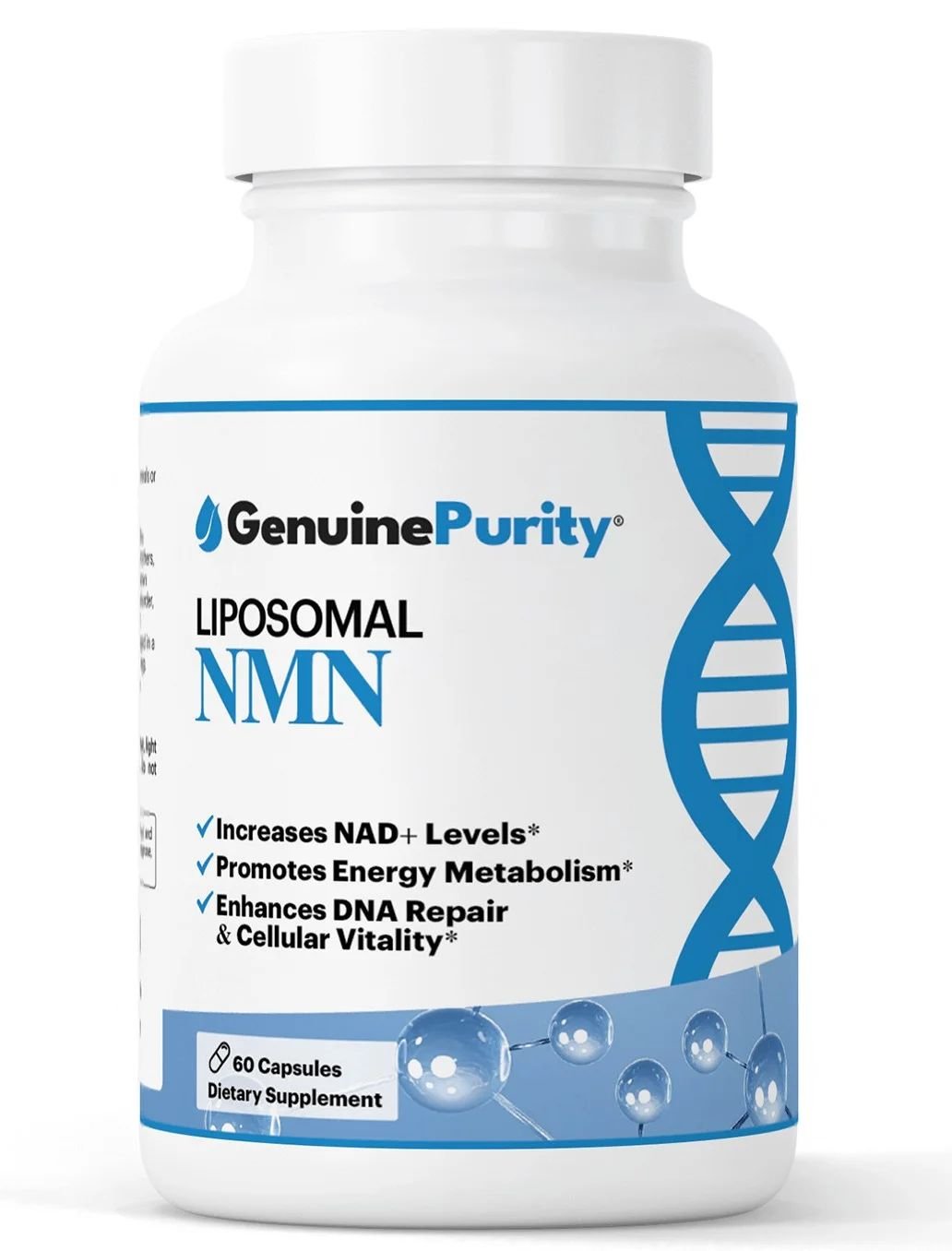
Liposomal NMN may help support healthy NAD+ levels and cellular processes involved in energy production, metabolism, and healthy aging. Its liposomal delivery system is designed to support NMN absorption and availability, making it an option for people interested in supporting overall health and cellular function.

Dr. Jerry K is the founder and CEO of YourWebDoc.com, part of a team of more than 30 experts. Dr. Jerry K is not a medical doctor but holds a degree of Doctor of Psychology; he specializes in family medicine and sexual health products. During the last ten years Dr. Jerry K has authored a lot of health blogs and a number of books on nutrition and sexual health.