
Energy balance represents the relationship between the calories a person consumes and the energy the body uses for daily activities, physical movement, and internal biological processes. The human body constantly adjusts energy intake and expenditure to maintain stable body weight and support vital functions. When calorie intake consistently exceeds energy use, the body stores excess energy as fat. When energy expenditure is higher than calorie consumption, the body uses stored energy reserves. Maintaining this balance is essential for healthy metabolism, body composition, and long-term wellness.
Introduction: NMN and the Role of Energy Balance in Metabolic Health
The Connection Between NMN Supplementation and Metabolic Regulation
Metabolic health depends on how efficiently the body converts food into usable energy. Cells require a constant supply of energy to perform functions such as muscle contraction, hormone production, immune defense, tissue repair, and brain activity. However, aging, poor nutrition, sedentary lifestyle, and chronic stress can affect metabolic efficiency. These factors may reduce mitochondrial performance, alter appetite regulation, and decrease the body’s ability to manage energy effectively.
Nicotinamide mononucleotide (NMN) is a naturally occurring compound involved in the production of nicotinamide adenine dinucleotide (NAD+), a molecule required for cellular energy metabolism. NAD+ participates in hundreds of cellular reactions, especially those related to mitochondrial function and energy conversion. As NAD+ levels decline with age, researchers have studied whether NMN supplementation can help restore NAD+ availability and support healthier metabolic processes.
Why Energy Balance Matters for Modern Health Challenges
Healthy energy regulation influences body weight, blood sugar control, cardiovascular function, and overall metabolic performance. Many modern health concerns, including obesity, insulin resistance, and metabolic syndrome, are connected to disruptions in energy balance. These conditions often develop when the body struggles to properly manage calorie intake, energy storage, and energy utilization.
Several biological systems work together to regulate energy balance:
- The brain monitors signals from the digestive system and fat tissue to control hunger and fullness.
- Hormones such as leptin, ghrelin, and insulin communicate the body’s energy status.
- Mitochondria transform nutrients into cellular energy through processes such as oxidative phosphorylation.
- Muscles and other active tissues consume energy through movement and daily activities.
NMN research suggests that supporting NAD+ levels may influence several of these pathways. By improving cellular energy production and activating metabolic regulators such as sirtuins, NMN may help cells respond more effectively to energy demands. This does not mean NMN directly replaces healthy lifestyle habits, but it may support the biological processes involved in maintaining metabolic balance.
NMN as a Nutritional Approach for Supporting Energy Balance
NMN supplementation has gained attention because it targets cellular mechanisms involved in energy production rather than focusing only on calorie intake or weight changes. Traditional approaches to weight management often focus on reducing calories and increasing exercise. While these methods remain important, researchers continue exploring additional strategies that address the cellular factors influencing metabolism.
Potential metabolic benefits associated with NMN include:
- Supporting mitochondrial efficiency.
- Promoting healthy NAD+ levels.
- Helping maintain normal cellular energy production.
- Supporting metabolic flexibility, which is the ability to switch between using carbohydrates and fats for fuel.
- Influencing pathways involved in aging and energy regulation.
Research on NMN is still developing, and more human studies are needed to fully understand its effects on energy balance, weight regulation, and metabolic disorders. However, current findings provide scientific interest in NMN as a compound that may support healthier energy management by improving cellular function.
NMN supplementation is being studied for its potential role in supporting energy balance through mitochondrial activity, and metabolic regulation. Understanding how the body manages energy provides the foundation for exploring how NMN may contribute to improved metabolic health.
Understanding Energy Balance and Its Importance for Overall Health
How the Body Controls Energy Intake and Expenditure
The body maintains energy balance through a complex system that controls food intake, nutrient processing, energy storage, and calorie use. Every day, the body receives energy from carbohydrates, fats, and proteins found in food. This energy supports basic functions such as breathing, circulation, temperature regulation, and cellular repair. The amount of energy required for these processes is known as basal metabolic rate.
Energy expenditure includes several components:
- Basal metabolic rate, which accounts for energy used during rest.
- Physical activity, including exercise and daily movement.
- Thermic effect of food, which refers to energy required for digestion and nutrient processing.
- Adaptive responses, which allow the body to adjust energy use based on environmental and nutritional conditions.
The body uses hormonal signals to maintain balance between energy availability and energy needs. The hypothalamus in the brain receives information from hormones and nutrients to regulate appetite and metabolism. When energy stores are sufficient, signals encourage reduced food intake. When energy availability decreases, hunger signals increase to encourage food consumption.
The Role of Hormones in Energy Regulation
Hormones act as communication signals that help the body understand when to store energy and when to use stored fuel. Several hormones influence appetite, fat storage, and energy expenditure.
Leptin is produced mainly by fat cells and informs the brain about available energy reserves. Higher leptin levels normally signal that sufficient energy is stored, helping reduce hunger. However, excessive fat accumulation may contribute to reduced sensitivity to leptin signals.
Ghrelin is often called the hunger hormone because it increases before meals and encourages food intake. After eating, ghrelin levels typically decrease. Proper regulation of ghrelin helps maintain normal eating patterns.
Insulin also plays an important role in energy balance. It allows cells to absorb glucose from the bloodstream and influences whether nutrients are stored or used for energy. When insulin sensitivity decreases, the body may experience difficulty managing blood sugar and energy storage.
NMN may influence some of these metabolic processes indirectly through NAD+ pathways. NAD+ supports enzymes involved in cellular communication and metabolism. By maintaining NAD+ availability, NMN may help cells respond better to metabolic signals.
Mitochondria and Cellular Energy Production
Mitochondria serve as the main energy-producing structures inside cells and strongly influence how efficiently the body uses calories. These cellular structures convert nutrients into adenosine triphosphate (ATP), the energy molecule required for biological functions.
When mitochondria function efficiently, cells can produce energy effectively and adapt to changing demands. When mitochondrial activity declines, energy production may become less efficient. This decline is associated with aging and several metabolic concerns.
Important mitochondrial functions include:
- Converting carbohydrates and fats into energy.
- Supporting muscle performance.
- Regulating cellular stress responses.
- Controlling energy adaptation during exercise and fasting.
NAD+ plays a central role in mitochondrial metabolism because it helps transfer electrons during energy production. Lower NAD+ availability can reduce mitochondrial efficiency. NMN supplementation aims to increase NAD+ levels, which may support improved cellular energy metabolism.
Maintaining energy balance requires cooperation between the brain, hormones, mitochondria, and metabolic tissues. NMN represents one nutritional approach being investigated for its ability to support these systems at the cellular level.
Energy balance depends on coordinated activity between calorie intake, energy expenditure, hormones, and mitochondria. NMN may support this system by helping maintain NAD+ levels and promoting efficient cellular energy production.
How NMN Supports Cellular Energy Production and Metabolic Function
NMN, NAD+, and Mitochondrial Energy Generation
NMN supports the body’s NAD+ production pathway, which is essential for converting nutrients into usable cellular energy. NAD+ is a critical molecule involved in oxidation-reduction reactions inside mitochondria. These reactions allow cells to transform nutrients from food into ATP, which powers biological activities.
As people age, NAD+ levels naturally decline. Lower NAD+ availability may affect mitochondrial function, cellular repair mechanisms, and metabolic flexibility. Researchers have investigated NMN because it serves as a direct precursor to NAD+, allowing cells to produce more of this important molecule.
Higher NAD+ availability may support:
- Efficient mitochondrial energy production.
- Normal activity of metabolic enzymes.
- Healthy cellular stress responses.
- Better adaptation to changes in energy demand.
Mitochondria require effective communication with other cellular systems to maintain energy balance. NAD+ helps regulate this communication by activating enzymes involved in metabolism and cellular maintenance.
Sirtuins and Metabolic Adaptation
NMN may influence metabolic pathways by increasing NAD+-dependent enzymes called sirtuins, which regulate cellular energy responses. Sirtuins are proteins involved in processes related to aging, metabolism, inflammation control, and mitochondrial activity.
One important sirtuin is SIRT1, which has been studied for its role in energy regulation. SIRT1 helps regulate genes involved in mitochondrial production, fat metabolism, and glucose management. When NAD+ levels are sufficient, sirtuins can function more effectively.
Potential effects of improved sirtuin activity include:
- Supporting mitochondrial biogenesis, the creation of new mitochondria.
- Encouraging efficient fuel utilization.
- Helping cells adapt during periods of increased energy demand.
- Supporting healthy inflammatory responses.
NMN does not act as a stimulant that immediately increases energy like caffeine. Instead, it may support the cellular systems responsible for producing and managing energy.
Improving Metabolic Flexibility
Metabolic flexibility describes the ability of the body to switch efficiently between different energy sources, and NMN may support this important metabolic function. A flexible metabolism allows the body to use glucose after meals and rely more on stored fat during periods of lower carbohydrate availability or physical activity.
Reduced metabolic flexibility is often associated with aging and metabolic disorders. When cells lose the ability to efficiently switch fuel sources, energy management becomes less effective.
NMN may support metabolic flexibility by:
- Enhancing mitochondrial function.
- Supporting fat oxidation pathways.
- Improving cellular responses to energy availability.
- Maintaining NAD+-dependent metabolic reactions.
A healthy metabolism requires cells to respond appropriately to different nutritional conditions. NMN supplementation may provide nutritional support for these processes by helping maintain the molecules needed for efficient energy metabolism.
NMN supports energy metabolism by increasing NAD+ availability, activating metabolic enzymes, and supporting mitochondrial function. These effects may help improve cellular energy production and metabolic flexibility.
NMN and Increased Caloric Expenditure Through Metabolic Activation
Supporting Fat Oxidation and Energy Use
NMN may help support caloric expenditure by influencing cellular pathways involved in fat breakdown and energy utilization. The body stores excess calories mainly as triglycerides in fat tissue. When energy demand increases, stored fats can be released and converted into fuel through a process called fat oxidation.
Fat oxidation depends on healthy mitochondrial activity. When mitochondria efficiently process fatty acids, the body can use stored energy more effectively. NAD+ plays a key role in these mitochondrial reactions, which is why NMN has received attention in metabolic research.
NMN may support fat metabolism by:
- Increasing NAD+ availability for energy pathways.
- Supporting mitochondrial activity in metabolic tissues.
- Promoting healthy responses to exercise and calorie restriction.
- Supporting the conversion of nutrients into usable energy.
NMN and Thermogenesis
Thermogenesis is the process of producing heat through energy expenditure, and researchers are studying whether NMN can influence pathways connected with this process. Certain tissues, including brown fat, naturally burn calories to generate heat. This process requires significant mitochondrial activity.
Brown adipose tissue contains many mitochondria that allow it to produce heat rather than store energy. Researchers have examined whether NAD+ support can improve the activity of these energy-burning pathways.
Possible mechanisms include:
- Supporting mitochondrial efficiency.
- Activating proteins involved in energy metabolism.
- Improving cellular responses to metabolic challenges.
- Encouraging healthier fat tissue function.
Although NMN research is promising, human studies are still needed to determine the exact impact of supplementation on daily calorie expenditure.
Combining NMN With Lifestyle Strategies
NMN supplementation may provide metabolic support, but healthy lifestyle habits remain essential for improving energy balance. Nutrition, exercise, sleep quality, and stress management strongly influence how the body uses and stores energy.
Lifestyle practices that support metabolic health include:
- Regular resistance and aerobic exercise.
- Balanced meals with sufficient protein and fiber.
- Maintaining healthy sleep patterns.
- Avoiding excessive intake of processed foods.
Exercise is especially important because physical activity naturally increases mitochondrial demand. When combined with healthy habits, NMN may support the cellular mechanisms involved in energy production and calorie utilization.
NMN may support caloric expenditure by promoting mitochondrial activity, fat oxidation, and metabolic adaptation. Its effects are best considered as part of a broader approach to maintaining healthy energy balance.
NMN and Regulation of Appetite and Caloric Intake
The Relationship Between Cellular Energy and Hunger Signals
Appetite regulation depends on communication between the brain, digestive system, hormones, and cellular energy status. The body adjusts hunger based on available nutrients and stored energy. When cells receive appropriate energy signals, the brain can better regulate food intake and satiety.
NAD+ metabolism may influence cellular communication pathways that affect energy sensing. Because NMN increases NAD+ availability, researchers are exploring whether it may support healthier appetite regulation.
Energy balance depends not only on how many calories a person consumes but also on how the body interprets hunger and fullness signals. Disrupted signals may contribute to overeating and difficulty maintaining healthy body weight.
NMN and Appetite-Related Hormones
NMN may influence metabolic signaling pathways connected with hormones that regulate hunger and satiety. Leptin and ghrelin are two major hormones involved in appetite control.
Leptin communicates information about stored energy, while ghrelin encourages food intake. Maintaining balanced hormone signaling helps the body respond appropriately to energy needs.
Potential ways NMN may support appetite regulation include:
- Supporting healthy insulin function.
- Improving cellular energy sensing.
- Promoting normal metabolic signaling.
- Supporting pathways involved in hormonal balance.
Current evidence does not suggest that NMN works as an appetite suppressant. Instead, it may support the metabolic environment that helps the body regulate energy more effectively.
Supporting Long-Term Metabolic Balance
Healthy appetite control requires proper communication between metabolism and the nervous system, and NMN may contribute by supporting cellular health. When metabolism functions efficiently, the body can better match calorie intake with energy requirements.
NMN may be especially relevant for aging adults because NAD+ levels decline over time. Supporting NAD+ production may help maintain cellular functions involved in metabolism and energy management.
However, NMN should not replace healthy eating patterns. A balanced diet with adequate nutrients remains essential for maintaining stable energy levels and healthy body composition.
NMN may support appetite regulation by improving cellular energy signaling and metabolic function. Research continues to examine how NAD+ pathways influence hunger hormones and calorie intake control.
Conclusion: The Potential of NMN Supplements for Supporting Energy Balance and Long-Term Health
NMN as a Supportive Tool for Metabolic Wellness
NMN supplementation represents a promising nutritional approach for supporting energy balance through improved cellular metabolism and NAD+ production. Energy regulation depends on many biological systems working together, including mitochondria, hormones, and metabolic pathways.
Research suggests that NMN may support:
- Cellular energy production.
- Mitochondrial efficiency.
- Fat metabolism.
- Metabolic flexibility.
- Healthy aging processes.
By increasing NAD+ availability, NMN may help maintain the cellular processes required for efficient energy management.
Future Research on NMN and Energy Regulation
Scientists continue studying NMN to better understand its long-term effects on metabolism, calorie expenditure, and appetite regulation. Early research provides valuable insights, but additional clinical studies are needed to determine optimal dosage, long-term safety, and specific health applications.
NMN should be viewed as a supplement that supports natural metabolic processes rather than a replacement for healthy lifestyle choices. Regular physical activity, balanced nutrition, and proper sleep remain the foundation of metabolic health.
NMN may help support energy balance by improving NAD+ levels, mitochondrial function, and metabolic regulation. Continued research will clarify its role in supporting healthy aging and long-term metabolic wellness.
Out Top NMN Choice
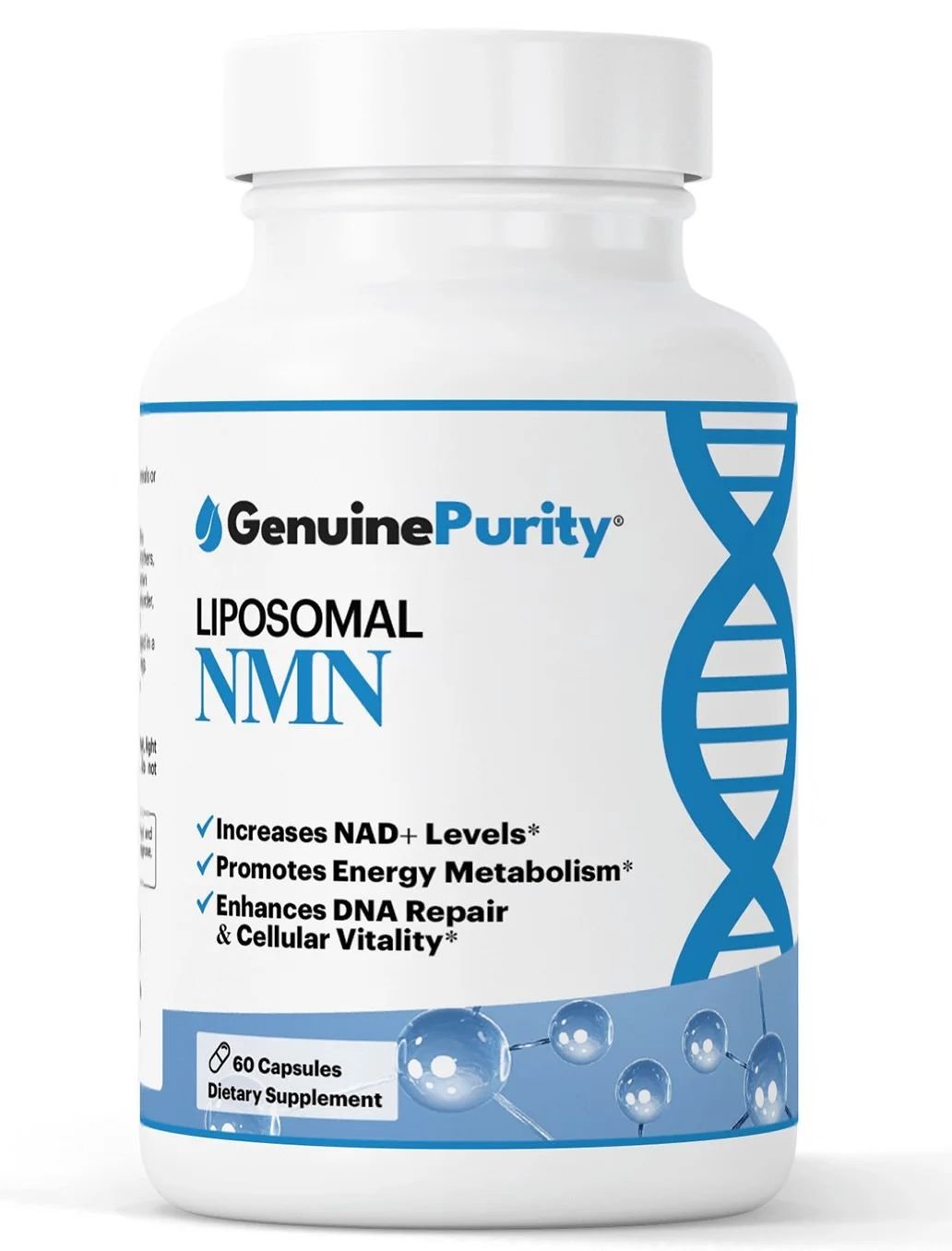
Liposomal NMN may help support healthy NAD+ levels and cellular processes involved in energy production, metabolism, and healthy aging. Its liposomal delivery system is designed to support NMN absorption and availability, making it an option for people interested in supporting overall health and cellular function.

Dr. Jerry K is the founder and CEO of YourWebDoc.com, part of a team of more than 30 experts. Dr. Jerry K is not a medical doctor but holds a degree of Doctor of Psychology; he specializes in family medicine and sexual health products. During the last ten years Dr. Jerry K has authored a lot of health blogs and a number of books on nutrition and sexual health.