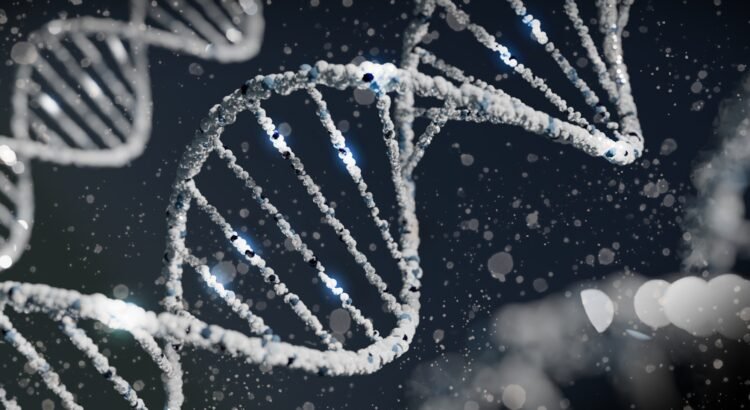
DNA damage is a major factor affecting cellular function and overall health. Reactive oxygen species (ROS), which are produced naturally during metabolism, can attack DNA and cause base modifications, single-strand breaks, and other structural changes. When this damage accumulates, cells may function improperly, leading to accelerated aging and increased risk of chronic diseases such as cardiovascular disorders, neurodegeneration, and certain cancers. Protecting DNA and supporting its repair are critical for maintaining long-term health.
Introduction: The Link Between DNA Damage and Health
Role of DNA Repair Mechanisms
Cells rely on multiple repair systems to correct DNA damage and maintain genomic stability. Among these, Base Excision Repair (BER) is essential for fixing small-scale DNA damage caused by ROS and other chemical insults. BER operates continuously to recognize and remove damaged bases, restore the DNA backbone, and prevent mutations. Without efficient repair, cells may accumulate errors in their DNA, which can disrupt normal biological processes and increase disease risk.
Introduction to NMN
Nicotinamide Mononucleotide (NMN) is a naturally occurring compound that supports cellular health. NMN serves as a direct precursor to NAD+ (nicotinamide adenine dinucleotide), a molecule that fuels critical enzymatic reactions, including those involved in DNA repair. Research indicates that boosting NAD+ levels can enhance the activity of enzymes like PARP1, which play a central role in the BER pathway. By supporting these enzymes, NMN may help the body repair oxidative DNA damage more effectively.
The Importance of Understanding NMN and BER
Understanding the relationship between NMN supplementation and BER is essential for exploring preventive healthcare strategies. While diet, lifestyle, and environmental factors influence DNA damage, supporting cellular repair systems through supplementation offers a practical approach to maintain genomic integrity. NMN’s potential to enhance DNA repair pathways makes it a focus of current research in anti-aging, chronic disease prevention, and cellular resilience.
Purpose of This Article
This article examines how NMN supports Base Excision Repair and helps correct DNA damage caused by reactive oxygen species. It will explain the mechanisms of BER, highlight the role of NAD+ in DNA repair, and outline potential health benefits of NMN supplementation.
Understanding Reactive Oxygen Species and DNA Damage
What Are Reactive Oxygen Species?
Reactive oxygen species (ROS) are highly reactive molecules produced naturally in cells. They form primarily during mitochondrial energy production, when oxygen interacts with electrons in the electron transport chain. Common ROS include superoxide anions, hydrogen peroxide, and hydroxyl radicals. While low levels of ROS play a role in cell signaling and immune defense, excessive ROS can damage cellular components, including proteins, lipids, and DNA. Maintaining a balance between ROS production and antioxidant defenses is essential for healthy cell function.
How ROS Damage DNA
DNA is highly susceptible to damage from ROS. These molecules can oxidize nucleotides, creating lesions such as 8-oxoguanine, which can mispair during replication and cause mutations. ROS can also cause single-strand breaks in DNA, which, if unrepaired, may lead to double-strand breaks during cell division. Over time, accumulated DNA damage contributes to genomic instability, which increases the risk of chronic diseases, accelerates cellular aging, and impairs tissue function.
Sources of Excessive ROS
Various internal and external factors can increase ROS production beyond normal levels. Internally, chronic inflammation, mitochondrial dysfunction, and metabolic stress can elevate ROS. Externally, exposure to UV radiation, pollution, smoking, and certain chemicals adds oxidative stress to cells. A sustained increase in ROS can overwhelm the body’s natural repair mechanisms, making interventions that support DNA repair and antioxidant defenses crucial for maintaining health.
The Importance of DNA Repair
Efficient DNA repair mechanisms are vital to counteract ROS-induced damage. Without proper repair, mutations accumulate, leading to potential dysfunction in critical genes and proteins. Base Excision Repair (BER) is the primary pathway that corrects small oxidative lesions and single-base modifications caused by ROS. By repairing these errors, BER maintains DNA stability, prevents mutation propagation, and supports healthy cell function.
Cellular Strategies to Minimize ROS Damage
Cells use multiple strategies to manage ROS and protect DNA. Antioxidant enzymes such as superoxide dismutase (SOD), catalase, and glutathione peroxidase neutralize ROS before they cause damage. Additionally, repair systems like BER remove oxidized bases and restore DNA integrity. Supporting these systems through lifestyle, diet, and supplementation can enhance cellular resilience and reduce the long-term effects of oxidative stress.
Overview of Base Excision Repair (BER)
The Role of BER in DNA Maintenance
Base Excision Repair (BER) is the primary pathway for correcting small-scale DNA damage. This system specifically targets single-base lesions caused by reactive oxygen species, alkylation, or spontaneous base loss. BER ensures that damaged bases are removed and replaced accurately, maintaining genomic stability and preventing mutations. Without efficient BER, cells may accumulate errors that disrupt normal function and increase the risk of chronic diseases, including cancer and neurodegeneration.
Steps of the BER Pathway
The BER process involves a series of coordinated enzymatic steps to repair damaged DNA. First, a DNA glycosylase recognizes and removes the damaged base, leaving an abasic site. Next, an AP endonuclease cleaves the DNA backbone at the site, creating a gap. DNA polymerase then fills in the missing nucleotide using the undamaged strand as a template. Finally, DNA ligase seals the nick, restoring the DNA’s integrity. Each step is critical to ensure accurate repair and prevent mutations from being incorporated into the genome.
Key Enzymes Involved in BER
Several specialized enzymes drive the BER process. DNA glycosylases detect and excise oxidized or modified bases. AP endonucleases create the necessary cut for repair, while DNA polymerase synthesizes the correct nucleotide. DNA ligase completes the process by reconnecting the DNA backbone. Additionally, PARP1 (poly ADP-ribose polymerase 1) detects DNA strand breaks and recruits repair proteins, playing a central role in coordinating the repair response.
BER and Cellular Health
Effective BER is essential for long-term cellular function and disease prevention. By repairing oxidative DNA damage promptly, BER prevents mutations that could disrupt key genes or regulatory regions. Cells with compromised BER activity often show signs of accelerated aging, increased oxidative stress, and reduced resistance to environmental challenges. Maintaining BER efficiency is therefore a critical aspect of supporting overall cellular health.
Enhancing BER Through Nutritional Support
Nutritional and metabolic factors can influence the efficiency of BER. NAD+ is a cofactor required by PARP1 and other repair enzymes, linking cellular metabolism to DNA repair. Adequate NAD+ levels ensure that BER enzymes function optimally, allowing cells to respond quickly to oxidative stress. Compounds like NMN, which boost NAD+ production, have emerged as potential tools to enhance BER activity and protect DNA from damage.
How NMN Supports DNA Repair
NMN as a Precursor of NAD+
Nicotinamide Mononucleotide (NMN) is a direct precursor to nicotinamide adenine dinucleotide (NAD+). NAD+ is a critical molecule in cellular metabolism, energy production, and DNA repair. Without sufficient NAD+, many enzymes involved in repair processes, particularly those in the Base Excision Repair (BER) pathway, cannot function efficiently. By increasing NAD+ levels, NMN provides cells with the resources needed to maintain DNA integrity and respond to oxidative stress.
NAD+ and DNA Repair Enzymes
NAD+ is essential for the activation of DNA repair enzymes like PARP1. PARP1 detects single-strand DNA breaks caused by reactive oxygen species and recruits other repair proteins to the damaged site. When NAD+ levels are low, PARP1 activity is reduced, slowing the repair process and allowing DNA damage to accumulate. Supplementing with NMN increases NAD+ availability, which enhances PARP1 activity and supports the proper functioning of the BER pathway.
Supporting Base Excision Repair
NMN indirectly enhances Base Excision Repair by providing the energy and cofactors necessary for repair enzymes. Increased NAD+ enables efficient recognition and excision of damaged bases, gap filling by DNA polymerases, and sealing by DNA ligases. Cells supplemented with NMN have shown improved DNA repair capacity, particularly in tissues exposed to high oxidative stress. This effect may help maintain genomic stability and reduce the risk of age-related mutations.
Evidence from Studies
Research has demonstrated that NMN supplementation can improve DNA repair in experimental models. Studies indicate that raising NAD+ levels in cells enhances the activity of BER enzymes and reduces the accumulation of oxidative DNA lesions. In animal models, NMN has been shown to protect tissues from DNA damage caused by reactive oxygen species and improve cellular resilience. These findings suggest a direct link between NMN intake, NAD+ availability, and DNA repair efficiency.
Broader Implications for Health
Enhancing DNA repair through NMN supplementation has potential benefits beyond cellular integrity. Efficient repair reduces the accumulation of mutations, supports healthy aging, and may protect against chronic diseases linked to oxidative stress, such as cardiovascular disorders, neurodegenerative conditions, and metabolic dysfunction. By supporting the BER pathway, NMN helps maintain cellular function and overall health.
Potential Health Benefits of NMN Through BER Enhancement
Slowing the Aging Process
Supporting Base Excision Repair (BER) with NMN may help slow cellular aging. Accumulated DNA damage is a major contributor to age-related decline in tissue function. When BER efficiency is enhanced through increased NAD+ levels, cells can repair oxidative DNA damage more effectively, maintaining genomic stability. This preservation of DNA integrity supports healthier cellular activity, potentially reducing visible and functional signs of aging over time.
Neuroprotection and Cognitive Health
Enhanced DNA repair may contribute to better brain health. Neurons are highly susceptible to oxidative stress, and accumulated DNA damage in neural cells can lead to cognitive decline and neurodegenerative diseases. By supporting BER through NMN supplementation, NAD+-dependent repair enzymes can correct DNA lesions in neurons, helping maintain neural function, memory, and overall cognitive performance. This effect positions NMN as a potential tool in protecting brain health with age.
Cardiovascular and Metabolic Benefits
Effective DNA repair may improve cardiovascular and metabolic health. Oxidative stress contributes to damage in blood vessels and metabolic tissues, promoting conditions such as atherosclerosis and insulin resistance. By enhancing BER, NMN may reduce DNA damage in these tissues, supporting proper vascular function and metabolic balance. Maintaining DNA integrity in cardiovascular and metabolic cells can help lower the risk of chronic diseases associated with oxidative damage.
Immune System Support
NMN may strengthen immune function through improved DNA repair. Immune cells frequently encounter oxidative stress during pathogen defense, which can damage their DNA and impair function. By providing NAD+ to fuel BER enzymes, NMN helps repair DNA in immune cells, allowing them to respond more effectively to infections and maintain overall immune resilience. This support may improve the body’s ability to fight infections and recover from stress.
Reducing Disease Risk
Maintaining efficient BER through NMN supplementation may lower the risk of age-related diseases. DNA mutations and oxidative damage contribute to cancer development, neurodegeneration, and other chronic conditions. By enhancing NAD+-dependent repair mechanisms, NMN helps correct DNA lesions before they accumulate, reducing mutation rates and supporting healthier cellular function. Over time, this may translate into lower disease incidence and improved quality of life.
NMN’s ability to enhance Base Excision Repair provides a wide range of potential health benefits, from slowing aging and protecting the brain to supporting cardiovascular health and antiaging skincare. Supporting DNA repair at the cellular level through NMN supplementation is a practical strategy to maintain long-term health and resilience against oxidative stress.
Conclusion
The Connection Between ROS, DNA Damage, and Health
Reactive oxygen species (ROS) are a common source of DNA damage that can compromise cellular function. Accumulation of oxidative lesions contributes to aging, chronic disease, and decreased tissue performance. Cells rely on repair systems such as Base Excision Repair (BER) to correct these errors and maintain genomic stability. Without efficient repair, DNA damage can accumulate, leading to mutations and functional decline across multiple organ systems.
NMN’s Role in Supporting DNA Repair
Nicotinamide Mononucleotide (NMN) enhances DNA repair by increasing cellular NAD+ levels. NAD+ is a critical cofactor for enzymes involved in BER, including PARP1, which detects DNA strand breaks and recruits repair proteins. By supplying the necessary resources for repair enzymes to function efficiently, NMN allows cells to correct oxidative DNA damage more effectively. This support helps preserve DNA integrity, reduce mutation accumulation, and improve cellular resilience.
Health Implications of Enhanced BER
Improving BER activity through NMN supplementation may have wide-ranging health benefits. Enhanced DNA repair can slow cellular aging, protect neurons, support cardiovascular and metabolic health, and strengthen the immune system. By maintaining genomic stability, NMN reduces the risk of age-related diseases and promotes overall cellular function. Supporting BER not only protects cells from immediate oxidative stress but also contributes to long-term health outcomes.
Practical Considerations
Incorporating NMN supplementation as part of a health strategy may support DNA repair and overall wellness. While diet, lifestyle, and environmental factors influence oxidative stress and DNA damage, NMN provides targeted nutritional support to enhance repair mechanisms. Consistent supplementation can help maintain NAD+ levels, ensuring that BER enzymes remain active and capable of correcting DNA lesions efficiently.
Final Thoughts
Maintaining DNA integrity is essential for long-term health, and NMN offers a practical way to support this process. By boosting NAD+ and facilitating Base Excision Repair, NMN helps cells repair oxidative damage, maintain genomic stability, and reduce the risk of chronic diseases. Protecting DNA at the cellular level can lead to improved cellular function, healthier aging, and enhanced resilience against environmental and metabolic stressors.

Dr. Jerry K is the founder and CEO of YourWebDoc.com, part of a team of more than 30 experts. Dr. Jerry K is not a medical doctor but holds a degree of Doctor of Psychology; he specializes in family medicine and sexual health products. During the last ten years Dr. Jerry K has authored a lot of health blogs and a number of books on nutrition and sexual health.