
El mononucleótido de nicotinamida (NMN) es una molécula que se encuentra de forma natural y que el cuerpo puede utilizar para producir dinucleótido de nicotinamida y adenina (NAD+). El NAD+ es una coenzima que interviene en diversos procesos celulares esenciales, como la producción de energía, la señalización celular y la reparación del ADN. Además, el NAD+ actúa como sustrato para enzimas implicadas en el mantenimiento celular. Diversas investigaciones han demostrado que la suplementación oral con NMN puede aumentar los metabolitos relacionados con el NAD en humanos, si bien aún se están estudiando sus efectos en la salud en general.
Introducción: NMN para la salud
Los niveles de NAD+ pueden variar con la edad, lo que ha llevado a los investigadores a estudiar si los precursores de NAD+, como el NMN, podrían favorecer un envejecimiento saludable. Gran parte del interés inicial en la NMN provino de estudios de laboratorio y en animales, donde el aumento de la disponibilidad de NAD+ se asoció con cambios en la función metabólica, la actividad mitocondrial, la inflamación y otros procesos biológicos. La investigación en humanos está aportando información adicional, pero los resultados aún no respaldan el uso de la NMN como terapia para enfermedades específicas.
¿Por qué considerar el NMN liposomal?
El NMN liposomal combina el NMN con un sistema de administración a base de lípidos diseñado para ayudar a transportar el ingrediente a través del sistema digestivo y mejorar su biodisponibilidad. La tecnología liposomal se utiliza en diversos productos nutricionales y farmacéuticos, ya que las estructuras lipídicas pueden influir en la absorción y el transporte de ciertos compuestos. Sin embargo, la ventaja clínica específica de la NMN liposomal sobre otras formulaciones de NMN no se ha demostrado mediante ensayos clínicos a gran escala y a largo plazo en humanos.
La principal razón para considerar un suplemento de NMN es su potencial para aumentar la disponibilidad de NAD+, más que para proporcionar un efecto terapéutico inmediato. Los ensayos clínicos en humanos han demostrado consistentemente que el NMN oral puede elevar los niveles de NAD+, mientras que los resultados en cuanto a control de la glucosa, rendimiento físico y otros indicadores de salud han sido más variables. Una revisión sistemática reciente concluyó que el aumento de NAD+ tiene una clara actividad biológica, pero su eficacia para el antienvejecimiento y el bienestar general sigue siendo incierta.
Por lo tanto, el NMN liposomal puede resultar atractivo para los adultos que desean explorar el apoyo de NAD+ prestando atención a la formulación y la calidad del producto. Al evaluar un producto de NMN, tenga en cuenta lo siguiente:
- Cantidad de NMN por porción
- Pureza y análisis de los ingredientes
- Normas de fabricación
- Etiquetado claro
- Ingredientes adicionales utilizados en la formulación
- Condiciones recomendadas de servicio y almacenamiento
El NMN liposomal se considera mejor como un suplemento nutricional destinado a favorecer la función celular, mejorar la salud general, la energía y la vitalidad.
Cómo NMN puede apoyar la salud
Producción NMN y NAD+
El NMN puede favorecer la salud al proporcionar un precursor que las células pueden utilizar en la producción de NAD+. El NAD+ participa en reacciones de oxidación-reducción que ayudan a las células a convertir los nutrientes en energía utilizable. También apoya a las enzimas implicadas en la reparación del ADN, la señalización celular y la regulación de los procesos metabólicos. Dado que estas funciones se producen en todo el organismo, los investigadores han estudiado el NMN como una posible vía para influir en diversos aspectos de la salud celular.
Estudios en humanos han demostrado que la administración oral de NMN puede aumentar los indicadores relacionados con el NAD en la sangre y los tejidos. Por ejemplo, un estudio clínico con adultos sanos reveló que la suplementación diaria con NMN incrementó los niveles plasmáticos de NMN y NAD+, si bien la magnitud de la respuesta varió entre los participantes. Otro estudio con adultos que recibieron 300, 600 o 900 mg de NMN al día durante 60 días halló un aumento dosis-dependiente en la concentración sanguínea de NAD+.
Energía celular y metabolismo
El NAD+ desempeña un papel importante en el metabolismo energético celular, ya que participa en reacciones que ayudan a convertir los carbohidratos, las grasas y otros nutrientes en energía. Las mitocondrias dependen de las reacciones relacionadas con el NAD para sustentar el metabolismo oxidativo y la producción de ATP. Esta función biológica explica por qué los investigadores estudian el NMN en relación con el metabolismo energético, la función física y la salud metabólica.
Las investigaciones sobre la NMN y la salud metabólica en humanos han arrojado resultados dispares. Un ensayo clínico aleatorio informó de una mejora en la sensibilidad a la insulina muscular en mujeres prediabéticas tras la suplementación con NMN, mientras que revisiones sistemáticas posteriores no encontraron mejoras consistentes en la glucosa en ayunas, la insulina, la HbA1c, la resistencia a la insulina o los perfiles lipídicos en los ensayos aleatorios.
Envejecimiento saludable y mantenimiento celular
El NAD+ también favorece la actividad de enzimas implicadas en el mantenimiento celular, incluidos los procesos asociados a la reparación del ADN y las respuestas al estrés celular. Estas funciones han contribuido al interés en el NMN como un posible suplemento para un envejecimiento saludable. Sin embargo, la plausibilidad biológica no implica automáticamente que la suplementación produzca un beneficio clínico significativo en personas sanas.
La evidencia actual en humanos respalda la capacidad del NMN para afectar la biología relacionada con el NAD, pero no lo establece como un tratamiento antienvejecimiento comprobado. Una revisión sistemática reciente encontró que el NMN y los precursores de NAD+ relacionados generalmente aumentaron los biomarcadores relacionados con el NAD y fueron bien tolerados durante períodos que oscilaron entre semanas y meses, mientras que los efectos sobre los resultados funcionales y relacionados con la longevidad saludable fueron inconsistentes.
Las áreas de interés potenciales incluyen:
- Producción de energía celular
- Disponibilidad de NAD+
- Función metabólica
- Rendimiento físico
- Envejecimiento saludable
- Mantenimiento celular
La evidencia disponible sugiere que el NMN puede influir en la biología del NAD+, pero sus efectos más amplios sobre la salud siguen siendo un área activa de investigación. Esta distinción es importante porque elevar un marcador biológico no se traduce necesariamente en la prevención o el tratamiento de una enfermedad.
Beneficios del NMN liposomal para la salud
Soporte para la energía celular
Uno de los beneficios potenciales de la suplementación con NMN es el apoyo a la producción de energía celular a través de su papel en el metabolismo del NAD+. El NAD+ interviene en reacciones de transferencia de electrones durante el metabolismo de los nutrientes, lo que permite a las células generar ATP. Los tejidos con altas necesidades energéticas, como el muscular, el cardíaco y el cerebral, dependen en gran medida de estas vías metabólicas.
La investigación clínica ha examinado si una mayor disponibilidad de NAD+ se traduce en una mejor función física; algunos estudios reportan mejoras modestas, mientras que otros encuentran efectos limitados. Una revisión sistemática de ensayos controlados aleatorios con 437 participantes reveló que el NMN fue generalmente bien tolerado, pero las mejoras en las medidas de rendimiento físico no fueron estadísticamente significativas en general.
Salud metabólica
También se han estudiado los posibles efectos del NMN sobre el metabolismo de la glucosa y los lípidos. Los investigadores han estudiado el NMN debido a que las vías dependientes de NAD+ participan en la regulación metabólica, incluyendo procesos relacionados con la utilización de glucosa y la función mitocondrial. Estos mecanismos hacen que el NMN sea relevante para la investigación sobre la salud metabólica, aunque no se considera un tratamiento para la diabetes o las enfermedades metabólicas.
La evidencia actual en humanos no muestra mejoras consistentes en las mediciones estándar de glucosa o lípidos después de la suplementación a corto plazo con NMN. Un metaanálisis de 2024 de ensayos controlados aleatorios no encontró efectos generales significativos sobre la glucosa en ayunas, la insulina en ayunas, la HbA1c, la resistencia a la insulina o los perfiles lipídicos, aunque el NMN sí aumentó los niveles de NAD en sangre.
Salud física y muscular
Las células musculares requieren cantidades sustanciales de energía, lo que hace que el metabolismo del NAD+ sea relevante para el rendimiento físico y la función muscular. Por lo tanto, se ha investigado el NMN en adultos mayores y otras poblaciones para determinar sus posibles efectos sobre la fuerza muscular, el rendimiento al caminar y la capacidad física. Los resultados han variado entre los estudios.
Algunas investigaciones clínicas sugieren que las respuestas individuales al NMN pueden diferir sustancialmente. Un estudio de 60 días reveló que los aumentos en la concentración de NAD variaban considerablemente entre los participantes y que los cambios en el NAD se asociaban con el rendimiento al caminar y con indicadores de calidad de vida. Estos hallazgos son prometedores, pero no garantizan que el NMN produzca los mismos resultados en todas las personas.
Envejecimiento saludable
El envejecimiento saludable es otra área de gran interés, ya que el NAD+ participa en procesos celulares que se vuelven cada vez más importantes a medida que el cuerpo envejece. Los investigadores estudian si mantener la disponibilidad de NAD+ puede ayudar a preservar la función celular normal a lo largo del tiempo. Sin embargo, la mayoría de las afirmaciones sobre la prolongación de la vida o la prevención de enfermedades provienen aún de investigaciones preclínicas, en lugar de ensayos clínicos a largo plazo en humanos.
Por lo tanto, los beneficios potenciales del NMN liposomal deben describirse como un apoyo a la salud celular, más que como mejoras garantizadas en la longevidad o la prevención de enfermedades. La evidencia actual respalda la actividad biológica y la tolerabilidad a corto plazo, mientras que la relevancia clínica de la suplementación a largo plazo sigue siendo incierta.
Entre las posibles áreas de salud que se están investigando se incluyen:
- metabolismo energético celular
- Función muscular y rendimiento físico
- Metabolismo de la glucosa
- Disponibilidad de NAD+
- Envejecimiento saludable
- Mantenimiento celular
El NMN liposomal podría ofrecer una forma práctica de complementar el NMN, pero la evidencia más sólida actualmente se refiere a la biología del NAD+ más que a resultados de salud específicos. Un enfoque equilibrado debe reconocer el potencial al tiempo que se evitan afirmaciones que excedan la evidencia clínica disponible.
Revisión del NMN liposomal: ingredientes, calidad y uso.
Ingredientes y contenido de NMN
La calidad de un suplemento de NMN depende, en primer lugar, de la identidad, la cantidad y la pureza de su ingrediente activo. La etiqueta del producto debe indicar claramente la cantidad de NMN por porción e identificar los demás ingredientes utilizados en su formulación. Esta información permite a los consumidores comprender qué están tomando y comparar productos con mayor eficacia.
Los productos liposomales de NMN suelen combinar NMN con ingredientes a base de lípidos que se utilizan para formar el sistema de administración. La formulación exacta puede variar entre fabricantes, por lo que conviene revisar la lista de ingredientes en lugar de asumir que todos los productos de NMN liposomales tienen la misma composición. Además, la presencia de un sistema de administración liposomal no demuestra por sí sola que un producto ofrezca mejores resultados para la salud que otro.
Calidad y pruebas del producto
Las pruebas independientes pueden proporcionar información útil sobre la identidad y la pureza de un producto NMN. Los suplementos pueden diferir en cuanto a la calidad de fabricación, el origen de los ingredientes y los análisis. Un producto de buena reputación debe proporcionar información clara sobre las prácticas de fabricación y, cuando estén disponibles, certificados o informes que muestren los resultados de los análisis de laboratorio.
Entre los factores importantes a revisar se incluyen:
- Cantidad de NMN por porción
- Pureza de los ingredientes
- Pruebas por lotes
- Normas de fabricación
- Disponibilidad del certificado de análisis
- Divulgación completa de ingredientes
- Instrucciones de almacenamiento
- Información sobre la fecha de caducidad o el lote
Un etiquetado claro es especialmente importante porque las dosis de investigación no definen automáticamente la dosis adecuada para cada consumidor. En los ensayos clínicos con NMN en humanos se han utilizado dosis muy variadas, incluyendo estudios con dosis de 250 a 2000 mg al día, y aún no se ha establecido la dosis óptima a largo plazo.
Cómo usar NMN liposomal
El NMN liposomal debe utilizarse siguiendo las instrucciones de uso proporcionadas por el fabricante. Actualmente no existe una dosis de NMN universalmente aceptada para la salud general, ya que los estudios clínicos han utilizado diferentes dosis, poblaciones y periodos de tratamiento. Aumentar la cantidad no implica necesariamente un mayor beneficio para la salud.
La constancia es más importante que suponer que una dosis mayor producirá mejores resultados. También es recomendable considerar la cantidad total de NMN que se recibe de todos los suplementos y consultar con un profesional de la salud sobre la suplementación si se padece alguna afección médica o se toman medicamentos recetados.
Seguridad y posibles efectos secundarios
En general, los estudios clínicos a corto plazo han demostrado que el NMN se tolera bien, aunque los datos de seguridad disponibles no permiten establecer los efectos de muchos años de suplementación continua. En un ensayo aleatorio, la administración oral de 1250 mg de β-NMN diariamente durante un máximo de cuatro semanas no produjo cambios clínicamente significativos en varias medidas de laboratorio, físicas y de composición corporal.
La evidencia actual recomienda precaución en lugar de asumir que el NMN está exento de riesgos para todas las personas. Las mujeres embarazadas o en período de lactancia, las personas con afecciones médicas importantes o las que toman medicamentos recetados deben consultar a un profesional de la salud antes de comenzar a tomar suplementos de NMN.
Una revisión de calidad de un NMN debe considerar tanto la formulación del producto como la solidez de la evidencia que respalda sus beneficios propuestos. Las características más útiles del producto son el etiquetado transparente, la dosificación adecuada, la fabricación fiable y la garantía de la calidad de los ingredientes.
NMN liposomal frente a otros suplementos de NMN
NMN liposomal frente a NMN estándar
La principal diferencia entre los suplementos de NMN liposomales y los estándar radica en la formulación de administración, más que en la molécula de NMN en sí. Los productos NMN estándar proporcionan NMN sin un sistema de administración especializado basado en lípidos, mientras que los productos liposomales incorporan NMN dentro o junto a estructuras lipídicas destinadas a influir en la administración y la absorción.
La administración liposomal puede resultar atractiva para los consumidores interesados en la formulación y absorción de suplementos, pero se necesita evidencia clínica más sólida para demostrar que el NMN liposomal ofrece mejores resultados para la salud. Si bien las investigaciones han demostrado que el NMN oral puede elevar los biomarcadores relacionados con el NAD, la mayoría de los ensayos clínicos con NMN en humanos no proporcionan evidencia suficiente para concluir que un sistema de administración comercial sea consistentemente superior.
NMN liposomal frente a otros precursores de NAD+
El NMN es uno de los varios compuestos que se están estudiando por su capacidad para aumentar la disponibilidad de NAD+. La nicotinamida ribósido (NR) es otro precursor de NAD+ que se ha evaluado en estudios clínicos en humanos. Tanto la NMN como la NR pueden afectar a los biomarcadores relacionados con NAD, pero su absorción, metabolismo, formulación y evidencia clínica no son idénticas.
Las investigaciones actuales no respaldan la conclusión simple de que un precursor de NAD+ sea universalmente mejor para la salud en general. La elección puede depender de la formulación del producto, la dosis, los controles de calidad, las preferencias individuales y la evidencia disponible sobre el uso previsto. Revisiones recientes destacan que tanto el NMN como el NR pueden producir cambios bioquímicos, mientras que los resultados clínicos siguen siendo variables.
Qué tener en cuenta al elegir un suplemento de NMN
Los consumidores deberían comparar los productos NMN basándose en características medibles del producto, en lugar de confiar únicamente en afirmaciones sobre longevidad o prevención de enfermedades. Una comparación útil debería incluir:
- Cantidad de NMN por porción
- Método de formulación y administración
- Pureza de los ingredientes
- Pruebas de laboratorio
- Prácticas de fabricación
- Transparencia de la etiqueta
- Costo por porción
- Requisitos de almacenamiento
Un precio más elevado no significa automáticamente que un suplemento de NMN sea más eficaz. Del mismo modo, la palabra "liposomal" no debe considerarse prueba de resultados clínicos superiores a menos que una investigación comparativa en humanos respalde esa afirmación.
La evidencia disponible actualmente respalda al NMN como un precursor prometedor de NAD+, más que como un tratamiento probado para enfermedades crónicas o una intervención antienvejecimiento garantizada. Esta distinción ayuda a los consumidores a evaluar los suplementos basándose en lo que realmente demuestran las investigaciones clínicas.
¿Es el NMN liposomal una buena opción para la salud?
¿Quién puede considerar la NMN liposomal?
Los adultos interesados en favorecer la disponibilidad de NAD+, el metabolismo celular y un envejecimiento saludable pueden considerar el uso de NMN liposomal. Estudios en humanos han demostrado que la administración oral de NMN puede aumentar los biomarcadores relacionados con el NAD, lo que la hace biológicamente activa en humanos. Sin embargo, los beneficios esperados deben ser realistas, ya que la investigación no ha establecido que la suplementación con NMN prevenga o trate enfermedades específicas.
Las personas deberían tener en cuenta sus hábitos de salud en general antes de considerar un suplemento de NMN como una fuente importante para mejorar su salud. La actividad física regular, el sueño adecuado, una nutrición equilibrada, un peso corporal saludable, evitar el tabaco y la atención médica apropiada desempeñan un papel mucho más importante y consolidado en la salud a largo plazo.
Ventajas y limitaciones potenciales
Una posible ventaja del NMN liposomal es que combina un precursor de NAD+ investigado con un formato de administración diseñado para favorecer la absorción del suplemento. Otra ventaja es la creciente cantidad de investigaciones en humanos que demuestran que el NMN oral puede aumentar las medidas relacionadas con el NAD y parece ser generalmente bien tolerado durante períodos de estudio cortos.
La principal limitación es que los aumentos de NAD+ no se traducen automáticamente en mejoras significativas en la salud o la longevidad. Los metaanálisis de ensayos aleatorizados han encontrado efectos mixtos o nulos para diversos resultados metabólicos, mientras que los estudios sobre el rendimiento físico generalmente han mostrado resultados modestos o inconsistentes. Aún se necesitan estudios más amplios con un seguimiento más prolongado.
La NMN tampoco debe presentarse como un sustituto del tratamiento médico ni como un método probado para prevenir enfermedades. Las personas con diabetes, enfermedades cardiovasculares, cáncer, trastornos neurológicos u otras afecciones médicas deben consultar con su profesional de la salud sobre la suplementación, en lugar de modificar el tratamiento prescrito basándose en las afirmaciones sobre los suplementos.
Evaluación final
El NMN liposomal es una categoría de producto razonable a considerar cuando el objetivo es brindar apoyo nutricional a la biología del NAD+ y a la salud celular, siempre y cuando las expectativas sean realistas. La evidencia disponible en humanos muestra que el NMN puede aumentar los biomarcadores relacionados con el NAD y que la suplementación a corto plazo generalmente ha sido bien tolerada, pero la evidencia de mejoras más amplias en la salud y el envejecimiento saludable sigue siendo incompleta.
Un producto bien formulado debe proporcionar información transparente sobre su contenido de NMN, ingredientes, pruebas de calidad, fabricación y uso recomendado. Estos factores facilitan la evaluación independiente del producto y evitan confiar en afirmaciones publicitarias genéricas.
Para la salud en general, la forma más apropiada de ver el NMN liposomal es como un suplemento potencial que puede apoyar los procesos celulares normales, en lugar de como un tratamiento o una cura. Las investigaciones actuales respaldan la continuación del estudio de la NMN, en particular en relación con el metabolismo del NAD+, la salud metabólica, la función física y el envejecimiento saludable.
El NMN liposomal combina la suplementación con NMN mediante un método de administración lipídico y puede ayudar a aumentar la disponibilidad de NAD+. La investigación en humanos respalda su actividad biológica y su tolerabilidad a corto plazo, si bien la evidencia de beneficios importantes para la salud a largo plazo es limitada. La calidad del producto, su uso adecuado, las expectativas realistas y el asesoramiento médico profesional, cuando sea necesario, deben guiar la decisión de utilizar NMN.
NMN liposomal
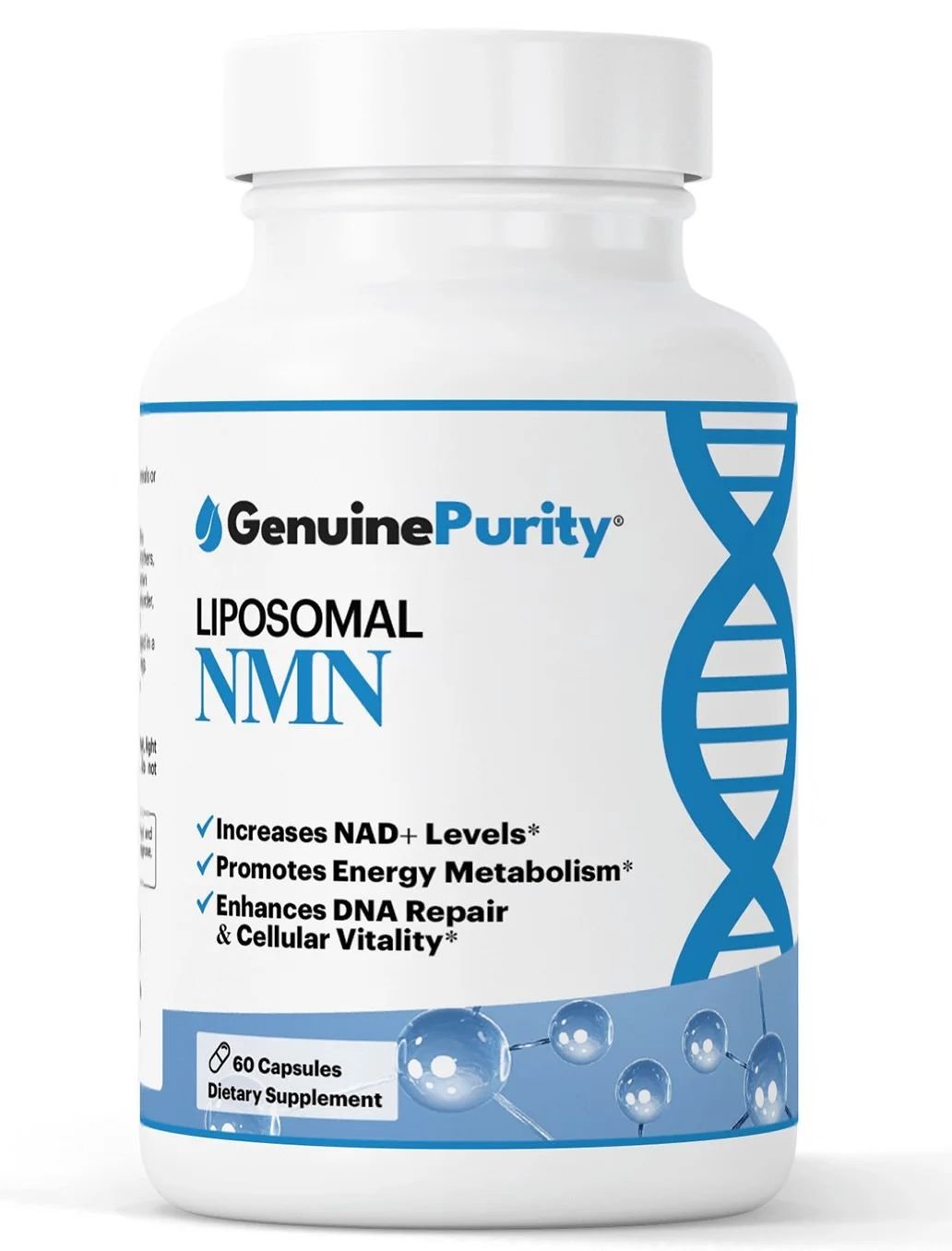
El NMN liposomal puede contribuir a mantener niveles saludables de NAD+ y los procesos celulares relacionados con la producción de energía, el metabolismo y un envejecimiento saludable. Su sistema de administración liposomal está diseñado para favorecer la absorción y disponibilidad del NMN, lo que lo convierte en una opción para quienes buscan mejorar su salud general y la función celular.
Si buscas un suplemento de NMN para complementar un estilo de vida saludable y favorecer la salud celular, utiliza el siguiente enlace para obtener NMN liposomal desde el sitio web oficial.