
Nicotinamide mononucleotide (NMN) is a naturally occurring molecule that the body can use to produce nicotinamide adenine dinucleotide (NAD+). NAD+ is a coenzyme involved in several essential cellular processes, including energy production, cellular signaling, and DNA repair. NAD+ also serves as a substrate for enzymes involved in cellular maintenance. Research has shown that oral NMN supplementation can increase NAD-related metabolites in humans, although the effects on broader health outcomes are still being studied.
Intro: NMN for Health
NAD+ levels can change with age, which has led researchers to investigate whether NAD+ precursors such as NMN could support healthy aging. Much of the early interest in NMN came from laboratory and animal studies, where increasing NAD+ availability was associated with changes in metabolic function, mitochondrial activity, inflammation, and other biological processes. Human research is now providing additional information, but results do not yet support treating NMN as a therapy for specific diseases.
Why Consider Liposomal NMN?
Liposomal NMN combines NMN with a lipid-based delivery system intended to help transport the ingredient through the digestive system and improve its availability. Liposomal technology is used in a range of nutritional and pharmaceutical products because lipid structures can influence how certain compounds are absorbed and transported. However, the specific clinical advantage of liposomal NMN over other NMN formulations has not been established by large, long-term human trials.
The main reason to consider an NMN supplement is its potential to increase the availability of NAD+ rather than to provide an immediate treatment effect. Human trials have consistently shown that oral NMN can raise NAD-related measures, while findings for outcomes such as glucose control, physical performance, and other markers of health have been more variable. A recent systematic review concluded that NAD+ augmentation has clear biological activity, but its effectiveness for general anti-aging and wellness outcomes remains inconclusive.
Liposomal NMN may therefore appeal to adults who want to explore NAD+ support while paying attention to formulation and product quality. When evaluating an NMN product, consider:
- The amount of NMN per serving
- Ingredient purity and testing
- Manufacturing standards
- Clear labeling
- Additional ingredients used in the formulation
- Recommended serving and storage conditions
Liposomal NMN is best viewed as a nutritional supplement intended to support cellular function, improve overall health, energy and vitailty.
How NMN May Support Health
NMN and NAD+ Production
NMN may support health by providing a precursor that cells can use in the production of NAD+. NAD+ participates in oxidation-reduction reactions that help cells convert nutrients into usable energy. It also supports enzymes involved in DNA repair, cellular signaling, and regulation of metabolic processes. Because these functions occur throughout the body, researchers have examined NMN as a possible way to influence several aspects of cellular health.
Human studies have demonstrated that oral NMN can increase NAD-related measures in the blood and tissues. For example, a clinical study involving healthy adults found that daily NMN supplementation increased plasma NMN and NAD+ levels, although the size of the response varied among participants. Another study of adults receiving 300, 600, or 900 mg of NMN daily for 60 days found a dose-dependent increase in changes in blood NAD concentration.
Cellular Energy and Metabolism
NAD+ has an important role in cellular energy metabolism because it participates in reactions that help convert carbohydrates, fats, and other nutrients into energy. Mitochondria depend on NAD-related reactions to support oxidative metabolism and ATP production. This biological role explains why researchers are studying NMN in relation to energy metabolism, physical function, and metabolic health.
Research on NMN and metabolic health in humans has produced mixed results. One randomized clinical trial reported improved muscle insulin sensitivity in prediabetic women after NMN supplementation, while later systematic reviews found no consistent improvements in fasting glucose, insulin, HbA1c, insulin resistance, or lipid profiles across randomized trials.
Healthy Aging and Cellular Maintenance
NAD+ also supports enzymes involved in cellular maintenance, including processes associated with DNA repair and responses to cellular stress. These functions have contributed to interest in NMN as a potential supplement for healthy aging. However, biological plausibility does not automatically mean that supplementation will produce a meaningful clinical benefit in healthy people.
Current human evidence supports the ability of NMN to affect NAD-related biology, but it does not establish NMN as a proven anti-aging treatment. A recent systematic review found that NMN and related NAD+ precursors generally increased NAD-related biomarkers and were generally well tolerated over periods ranging from weeks to months, while effects on functional and healthspan-related outcomes remained inconsistent.
Potential areas of interest include:
- Cellular energy production
- NAD+ availability
- Metabolic function
- Physical performance
- Healthy aging
- Cellular maintenance
The available evidence suggests that NMN can influence NAD+ biology, but its broader health effects remain an active area of research. This distinction is important because raising a biological marker does not necessarily translate into prevention or treatment of a disease.
Benefits of Liposomal NMN for Health
Support for Cellular Energy
One potential benefit of NMN supplementation is support for cellular energy production through its role in NAD+ metabolism. NAD+ is involved in reactions that transfer electrons during nutrient metabolism, allowing cells to generate ATP. Tissues with high energy requirements, including muscle, heart, and brain tissue, depend heavily on these metabolic pathways.
Clinical research has examined whether increased NAD+ availability translates into better physical function, with some studies reporting modest improvements and others finding limited effects. A systematic review of randomized controlled trials involving 437 participants found that NMN was generally well tolerated, but improvements in physical performance measures were not statistically significant overall.
Metabolic Health
NMN has also been studied for its possible effects on glucose and lipid metabolism. Researchers have examined NMN because NAD+-dependent pathways are involved in metabolic regulation, including processes related to glucose utilization and mitochondrial function. These mechanisms make NMN relevant to research on metabolic health without establishing it as a treatment for diabetes or metabolic disease.
Current human evidence does not show consistent improvements in standard glucose or lipid measurements after short-term NMN supplementation. A 2024 meta-analysis of randomized controlled trials found no significant overall effects on fasting glucose, fasting insulin, HbA1c, insulin resistance, or lipid profiles, although NMN did increase blood NAD levels.
Physical and Muscle Health
Muscle cells require substantial amounts of energy, which makes NAD+ metabolism relevant to physical performance and muscle function. NMN has therefore been investigated in older adults and other populations for possible effects on muscle strength, walking performance, and physical capacity. Results have varied between studies.
Some clinical research suggests that individual responses to NMN may differ substantially. One 60-day study found that increases in NAD concentration varied considerably between participants and that changes in NAD were associated with walking performance and quality-of-life measures. These findings are promising but do not establish that NMN will produce the same results in every person.
Healthy Aging
Healthy aging is another major area of interest because NAD+ participates in cellular processes that become increasingly important as the body ages. Researchers are studying whether maintaining NAD+ availability can help preserve normal cellular function over time. However, most claims about lifespan extension or disease prevention still come from preclinical research rather than long-term human trials.
The potential benefits of Liposomal NMN should therefore be described as support for cellular health rather than as guaranteed improvements in longevity or disease prevention. Current evidence supports biological activity and short-term tolerability, while the clinical significance of long-term supplementation remains uncertain.
Potential health areas being investigated include:
- Cellular energy metabolism
- Muscle function and physical performance
- Glucose metabolism
- NAD+ availability
- Healthy aging
- Cellular maintenance
Liposomal NMN may offer a practical way to supplement NMN, but the strongest evidence currently concerns NAD+ biology rather than specific health outcomes. A balanced approach should recognize the potential while avoiding claims that exceed the available clinical evidence.
Liposomal NMN Review: Ingredients, Quality, and Use
Ingredients and NMN Content
The quality of an NMN supplement depends first on the identity, amount, and purity of its active ingredient. A product label should clearly state the amount of NMN provided per serving and identify other ingredients used in the formulation. This information allows consumers to understand what they are taking and compare products more effectively.
Liposomal NMN products typically combine NMN with lipid-based ingredients used to form the delivery system. The exact formulation can vary between manufacturers, so the ingredient list should be reviewed rather than assuming that all liposomal NMN products have the same composition. The presence of a liposomal delivery system also does not by itself prove that one product produces better health outcomes than another.
Product Quality and Testing
Independent testing can provide useful information about the identity and purity of an NMN product. Supplements can differ in manufacturing quality, ingredient sourcing, and analytical testing. A reputable product should provide clear information about manufacturing practices and, when available, certificates or reports showing the results of laboratory analysis.
Important factors to review include:
- NMN amount per serving
- Ingredient purity
- Batch testing
- Manufacturing standards
- Certificate of analysis availability
- Full ingredient disclosure
- Storage instructions
- Expiration or lot information
Clear labeling is particularly important because research doses do not automatically define the appropriate dose for every consumer. Human NMN trials have used a wide range of doses, including studies involving 250 to 2,000 mg per day, and the optimal long-term dose has not been established.
How to Use Liposomal NMN
Liposomal NMN should be used according to the serving instructions provided by the manufacturer. There is currently no universally accepted NMN dosage for general health because clinical studies have used different doses, populations, and treatment periods. Increasing the amount does not necessarily increase the health benefit.
Consistency is more important than assuming that a larger dose will produce better results. People should also consider the total amount of NMN they receive from all supplements and discuss supplementation with a healthcare professional if they have a medical condition or take prescription medications.
Safety and Potential Side Effects
Short-term clinical studies have generally found NMN to be well tolerated, although the available safety data do not establish the effects of many years of continuous supplementation. In one randomized trial, 1,250 mg of oral β-NMN taken daily for up to four weeks did not produce clinically meaningful changes in several laboratory, physical, and body-composition measures.
The current evidence supports caution rather than assuming that NMN is risk-free for every person. People who are pregnant or breastfeeding, have significant medical conditions, or use prescription medications should consult a healthcare professional before starting NMN supplementation.
A quality NMN review should consider both the product formulation and the strength of the evidence behind its proposed benefits. The most useful product features are transparent labeling, appropriate dosing, reliable manufacturing, and evidence of ingredient quality.
Liposomal NMN vs. Other NMN Supplements
Liposomal NMN vs. Standard NMN
The main difference between liposomal and standard NMN supplements is the delivery formulation rather than the NMN molecule itself. Standard NMN products provide NMN without a specialized lipid-based delivery system, while liposomal products incorporate NMN into or alongside lipid structures intended to affect delivery and absorption.
Liposomal delivery may be attractive to consumers who are specifically interested in supplement formulation and absorption, but stronger clinical evidence is needed to show that liposomal NMN provides superior health outcomes. Research has established that oral NMN can raise NAD-related biomarkers, but most human NMN trials do not provide enough evidence to conclude that one commercial delivery system is consistently superior.
Liposomal NMN vs. Other NAD+ Precursors
NMN is one of several compounds being studied for its ability to increase NAD+ availability. Nicotinamide riboside (NR) is another NAD+ precursor that has been evaluated in human clinical research. Both NMN and NR can affect NAD-related biomarkers, but their absorption, metabolism, formulation, and clinical evidence are not identical.
Current research does not support a simple conclusion that one NAD+ precursor is universally better for overall health. The choice may depend on the product formulation, dose, quality controls, individual preferences, and the evidence available for the intended use. Recent reviews emphasize that both NMN and NR can produce biochemical changes while clinical outcomes remain variable.
What to Consider When Choosing an NMN Supplement
Consumers should compare NMN products based on measurable product characteristics rather than relying only on claims about longevity or disease prevention. A useful comparison should include:
- NMN amount per serving
- Formulation and delivery method
- Ingredient purity
- Laboratory testing
- Manufacturing practices
- Label transparency
- Cost per serving
- Storage requirements
A higher price does not automatically mean that an NMN supplement is more effective. Likewise, the word “liposomal” should not be treated as proof of superior clinical results unless comparative human research supports that claim.
The available evidence currently supports NMN as a promising NAD+ precursor rather than a proven treatment for chronic disease or a guaranteed anti-aging intervention. This distinction helps consumers assess supplements based on what clinical research actually shows.
Is Liposomal NMN a Good Choice for Health?
Who May Consider Liposomal NMN?
Liposomal NMN may be considered by adults who are interested in supporting NAD+ availability, cellular metabolism, and healthy aging. Human studies have demonstrated that oral NMN can increase NAD-related biomarkers, making it biologically active in humans. However, the expected benefits should remain realistic because research has not established that NMN supplementation prevents or treats specific diseases.
People should consider their overall health habits before treating an NMN supplement as a major source of health improvement. Regular physical activity, adequate sleep, balanced nutrition, healthy body weight, avoidance of tobacco, and appropriate medical care have much stronger established roles in long-term health.
Potential Advantages and Limitations
One potential advantage of Liposomal NMN is that it combines a researched NAD+ precursor with a delivery format designed to support supplement absorption. Another advantage is the growing amount of human research showing that oral NMN can increase NAD-related measures and appears to be generally well tolerated over short study periods.
The main limitation is that increases in NAD+ do not automatically translate into major improvements in health or longevity. Meta-analyses of randomized trials have found mixed or null effects for several metabolic outcomes, while studies of physical performance have generally shown modest or inconsistent results. Larger studies with longer follow-up are still needed.
NMN should also not be presented as a substitute for medical treatment or as a proven method for preventing diseases. People with diabetes, cardiovascular disease, cancer, neurological disorders, or other medical conditions should discuss supplementation with their healthcare professional rather than changing prescribed treatment based on supplement claims.
Final Assessment
Liposomal NMN is a reasonable product category to consider when the goal is nutritional support of NAD+ biology and cellular health, provided expectations remain realistic. The available human evidence shows that NMN can increase NAD-related biomarkers and that short-term supplementation has generally been well tolerated, but evidence for broader improvements in health and healthy aging remains incomplete.
A well-formulated product should provide transparent information about NMN content, ingredients, quality testing, manufacturing, and recommended use. These factors make it easier to assess the product independently and avoid relying on broad marketing claims.
For overall health, the most appropriate way to view Liposomal NMN is as a potential supplement that may support normal cellular processes rather than as a treatment or cure. Current research supports continued investigation of NMN, particularly in relation to NAD+ metabolism, metabolic health, physical function, and healthy aging.
Liposomal NMN combines NMN supplementation with a lipid-based delivery approach and may help increase NAD+ availability. Human research supports biological activity and short-term tolerability, while evidence for major long-term health benefits remains limited. Product quality, appropriate use, realistic expectations, and professional medical advice when needed should guide the decision to use NMN.
Liposomal NMN
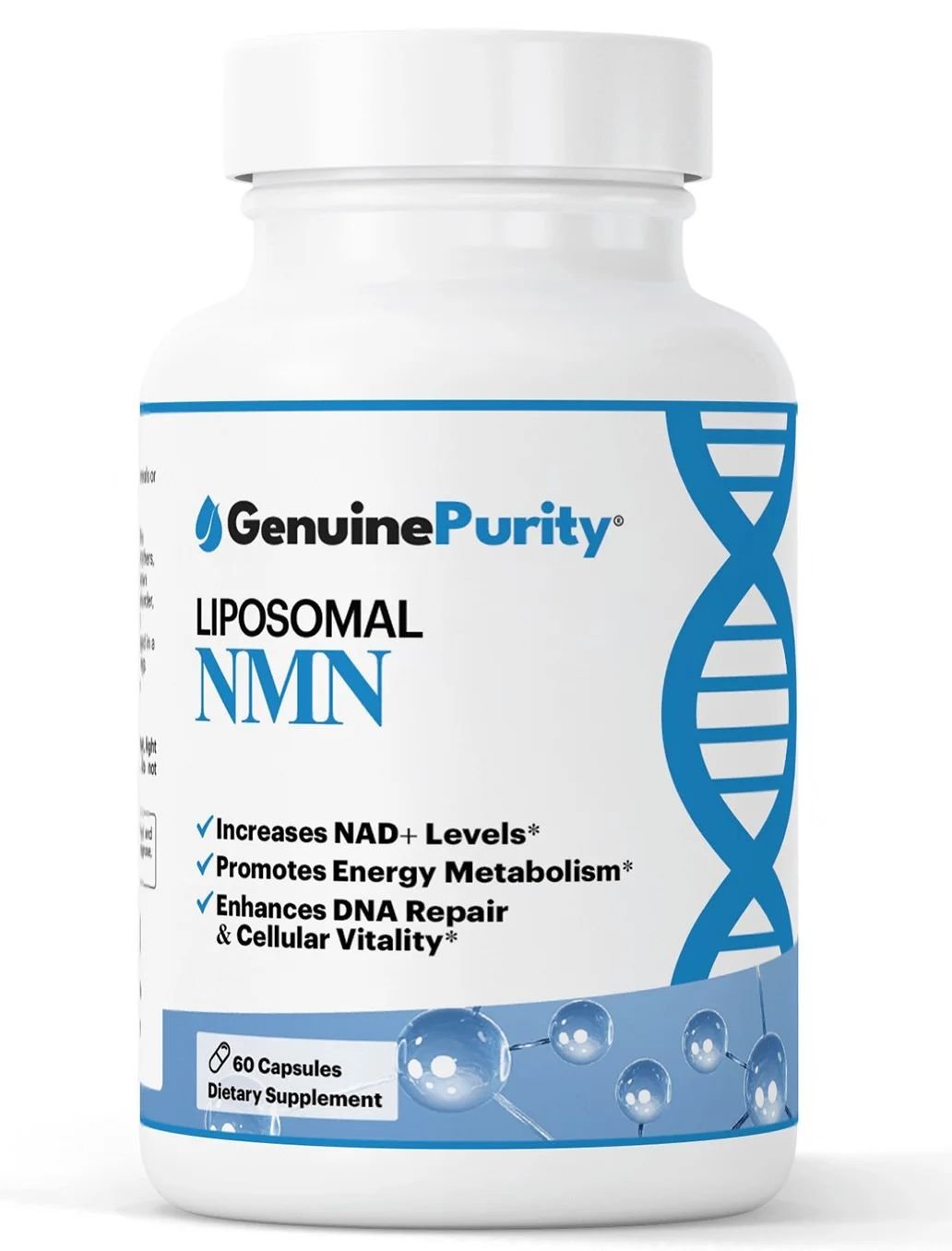
Liposomal NMN may help support healthy NAD+ levels and cellular processes involved in energy production, metabolism, and healthy aging. Its liposomal delivery system is designed to support NMN absorption and availability, making it an option for people interested in supporting overall health and cellular function.
If you are looking for an NMN supplement to complement a healthy lifestyle and support cellular health, use the link below to get Liposomal NMN from the official website.