
Oxidative stress plays a central role in aging and many chronic health conditions. The body constantly produces energy through metabolic processes, and this process generates unstable molecules known as free radicals. These molecules can damage cells when their levels exceed the body’s ability to neutralize them. Over time, this imbalance weakens tissues and reduces organ function. External factors such as pollution, stress, and poor nutrition can increase this burden and speed up damage. Sleep loss and aging itself also reduce the body’s control systems, which makes the issue more serious over time.
Introduction: The Role of Oxidative Stress in Health
Why Free Radicals Matter
Free radicals can harm important biological structures such as DNA, proteins, and cell membranes. This damage affects how cells function and repair themselves. When the body cannot control this process, it leads to faster aging and higher risk of disease. Many age-related conditions share a common link with oxidative damage, which makes this topic critical for long-term health planning. Over time, small daily damage builds up and reduces resilience. The body can recover from short bursts of stress, but long-term exposure creates lasting effects that are harder to reverse.
- Free radicals form during normal metabolism
- Environmental toxins increase their production
- Weak antioxidant defense worsens the impact
- Aging reduces natural repair speed
- Chronic stress increases cellular strain
Introduction to NMN
NMN is a compound that supports cellular energy and repair systems. It serves as a precursor to NAD+, a molecule required for many biological processes. As people age, NAD+ levels decline, which reduces the body’s ability to maintain balance and recover from damage. NMN supplementation aims to restore these levels and support better cellular performance. Research on NMN continues to grow, especially in relation to energy metabolism and aging. Scientists focus on how restoring NAD+ may influence longevity pathways and stress resistance at the cellular level.
Understanding Oxidative Stress and Free Radicals
What Are Free Radicals
Free radicals are unstable molecules that seek to gain stability by reacting with other molecules. They form naturally during processes such as energy production and immune response. However, excessive levels can lead to widespread cellular damage. These molecules react quickly and disrupt normal biological structures. Even though they are a natural part of metabolism, problems start when production increases beyond control. This imbalance creates ongoing stress on cells and tissues throughout the body.
Causes of Oxidative Stress
Oxidative stress occurs when free radical production exceeds the body’s defense capacity. The body uses antioxidants to neutralize harmful molecules, but this system can become overwhelmed. Lifestyle and environmental factors often increase this imbalance. Modern living conditions often expose people to multiple sources of oxidative stress at the same time. This continuous exposure makes recovery harder and reduces cellular efficiency over time.
- Air pollution and toxins
- Smoking and alcohol use
- Poor diet lacking protective nutrients
- Chronic stress and lack of sleep
- Excess physical strain without recovery
Impact on the Body
Oxidative stress affects nearly every system in the body. It damages DNA, accelerates cell aging, and weakens the immune system. Over time, this leads to reduced energy levels and slower recovery from daily stressors. The cumulative effect becomes more visible with age. Cells lose flexibility in function and become less responsive to repair signals. This leads to a gradual decline in performance across multiple organs.
Long-Term Health Effects
Chronic oxidative stress contributes to the development of many health conditions. These include cardiovascular issues, metabolic disorders, and cognitive decline. The link between oxidative damage and disease highlights the importance of prevention strategies. Long-term imbalance also affects hormone regulation and tissue regeneration. The body’s ability to adapt to stress becomes weaker over time, which increases vulnerability to illness.
- Cellular damage accumulation
- Reduced tissue regeneration
- Increased inflammation
- Slower healing response
- Higher disease susceptibility
The Link Between Aging and Oxidative Damage
Cellular Aging Process
Aging is closely tied to the accumulation of oxidative damage over time. Cells lose their ability to repair themselves as damage builds up. This leads to functional decline and increased vulnerability to stress. The body becomes less efficient at maintaining internal balance. Repair systems slow down, and errors in DNA replication become more frequent. This process affects all tissues, especially those with high energy demand.
Effects on Physical Appearance
Oxidative stress accelerates visible signs of aging such as wrinkles and skin dullness. Skin cells are highly exposed to environmental factors, which makes them more vulnerable. Damage to collagen and elastin reduces skin elasticity and firmness. Blood flow to the skin also decreases with age, which reduces nutrient delivery and slows regeneration.
- Increased fine lines
- Loss of skin hydration
- Uneven skin tone
- Reduced skin firmness
- Slower surface renewal
Impact on Internal Systems
Oxidative damage affects organs and systems that control energy and metabolism. Mitochondria, which produce energy, become less efficient under stress. This leads to fatigue and reduced physical performance. Other organs also show gradual decline. Brain cells and muscle cells are especially sensitive to oxidative stress due to high energy demand. This results in reduced mental clarity and physical endurance.
Connection to Chronic Conditions
Long-term oxidative stress increases the risk of age-related diseases. These include heart disease, diabetes, and neurodegenerative conditions. The underlying mechanism often involves inflammation and cellular dysfunction. Blood vessels lose flexibility, and glucose regulation becomes less stable. Over time, these changes create a higher risk environment for multiple health problems.
- Impaired blood vessel function
- Reduced insulin sensitivity
- Decline in brain health
- Weakened immune response
- Slower tissue repair
What Is NMN and How It Works in the Body
Definition of NMN
NMN is a naturally occurring compound that plays a role in cellular energy production. It is found in small amounts in certain foods and is also produced within the body. NMN serves as a building block for NAD+, which is essential for many biological functions. Its role becomes more important as natural NAD+ levels decrease with age. This makes NMN a key focus in aging research.
Role of NAD+
NAD+ is a coenzyme that supports energy production and cellular repair. It helps convert nutrients into usable energy within mitochondria. It also activates enzymes involved in DNA repair and stress response. Without sufficient NAD+, cells cannot function efficiently. NAD+ also regulates communication between cellular pathways that control survival and repair.
- Supports metabolic processes
- Assists in DNA repair
- Maintains cellular balance
- Regulates energy conversion
- Activates repair enzymes
Age-Related Decline
NAD+ levels decrease with age, which reduces the body’s ability to maintain health. This decline affects energy levels, recovery, and resistance to stress. Lower NAD+ also weakens protective mechanisms against oxidative damage. Lifestyle factors such as poor sleep and chronic stress may speed up this decline. As a result, cells lose efficiency and become more vulnerable to damage.
NMN Supplementation Benefits
NMN supplementation aims to restore NAD+ levels and improve cellular function. By increasing NAD+, NMN may support better energy production and stronger repair systems. This can lead to improved overall health and resilience. Early research also suggests effects on metabolism and physical endurance. These effects are linked to improved mitochondrial efficiency and better cellular signaling.
- Enhanced mitochondrial function
- Improved metabolic health
- Better stress response
- Increased energy output
- Improved cellular repair activity
How NMN Helps Fight Oxidative Stress
Boosting Cellular Defense
NMN helps increase NAD+ levels, which strengthens the body’s antioxidant defenses. Higher NAD+ supports enzymes that neutralize free radicals and repair damage. This reduces the burden of oxidative stress on cells. It also improves communication between repair systems, which increases efficiency. Cells respond faster to stress signals and maintain better stability under pressure.
Supporting Repair Mechanisms
NMN activates pathways that repair damaged DNA and proteins. These pathways help maintain cell integrity and function. Efficient repair reduces the accumulation of damage over time. This process is important in tissues that divide frequently, such as skin and blood cells. Stronger repair systems also reduce long-term cellular errors.
- Activation of protective enzymes
- Improved DNA stability
- Reduced cellular wear
- Faster repair cycles
- Better protein maintenance
Reducing Inflammation
NMN may help lower chronic inflammation linked to oxidative stress. Inflammation often increases free radical production, which creates a cycle of damage. By reducing inflammation, NMN helps break this cycle. Lower inflammation also improves circulation and nutrient delivery to tissues. This supports faster recovery after physical and metabolic stress.
Benefits for Daily Health
Regular NMN use may improve energy, skin health, and overall vitality. Cells function more efficiently when oxidative stress is controlled. This leads to better physical and mental performance. Many users report improved endurance and reduced fatigue. These effects are linked to stronger mitochondrial activity and improved cellular repair speed.
- Increased energy levels
- Improved skin appearance
- Enhanced recovery
- Better mental clarity
- Improved physical endurance
Conclusion: Key Takeaways
Oxidative stress is a major factor that influences aging and long-term health outcomes. It damages cells and weakens the body’s ability to function properly. Managing this process is essential for maintaining quality of life. The balance between damage and repair determines how well the body ages over time. Supporting this balance can reduce long-term decline.
Role of NMN in Health Support
NMN provides a practical approach to support cellular health and energy production. By increasing NAD+ levels, it helps improve the body’s ability to handle oxidative stress. This makes it a valuable addition to health strategies focused on aging. Research continues to explore its broader effects on metabolism and resilience. Its role is linked mainly to energy restoration and repair support.
Combining Lifestyle and Supplementation
Healthy habits enhance the benefits of NMN supplementation. A balanced diet, regular exercise, and stress management all support antioxidant defenses. Combining these factors leads to better results. Recovery habits such as sleep also play a major role in reducing oxidative load. Together, these strategies create a stronger defense system.
- Maintain a nutrient-rich diet
- Stay physically active
- Reduce exposure to toxins
- Improve sleep quality
- Manage daily stress levels
Final Thoughts
Addressing oxidative stress requires both internal support and external lifestyle changes. NMN offers a promising tool for improving resilience and slowing the aging process. Its effectiveness depends on consistent use and healthy daily habits. Long-term focus on cellular health supports better energy and function across all systems.
Out Top NMN Choice
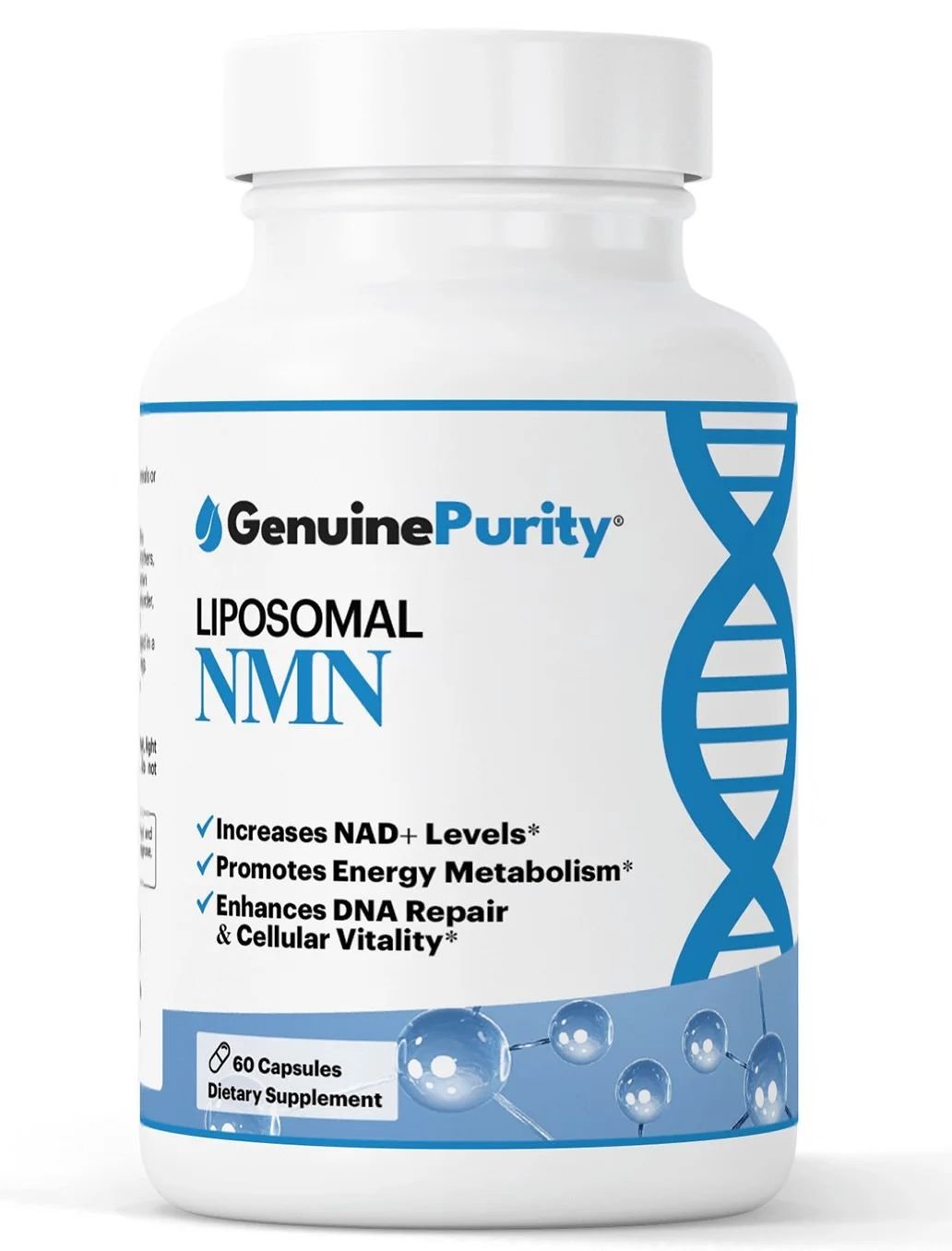
Liposomal NMN may help support healthy NAD+ levels and cellular processes involved in energy production, metabolism, and healthy aging. Its liposomal delivery system is designed to support NMN absorption and availability, making it an option for people interested in supporting overall health and cellular function.
Dr. Jerry K is the founder and CEO of YourWebDoc.com, part of a team of more than 30 experts. Dr. Jerry K is not a medical doctor but holds a degree of Doctor of Psychology; he specializes in family medicine and sexual health products. During the last ten years Dr. Jerry K has authored a lot of health blogs and a number of books on nutrition and sexual health.